
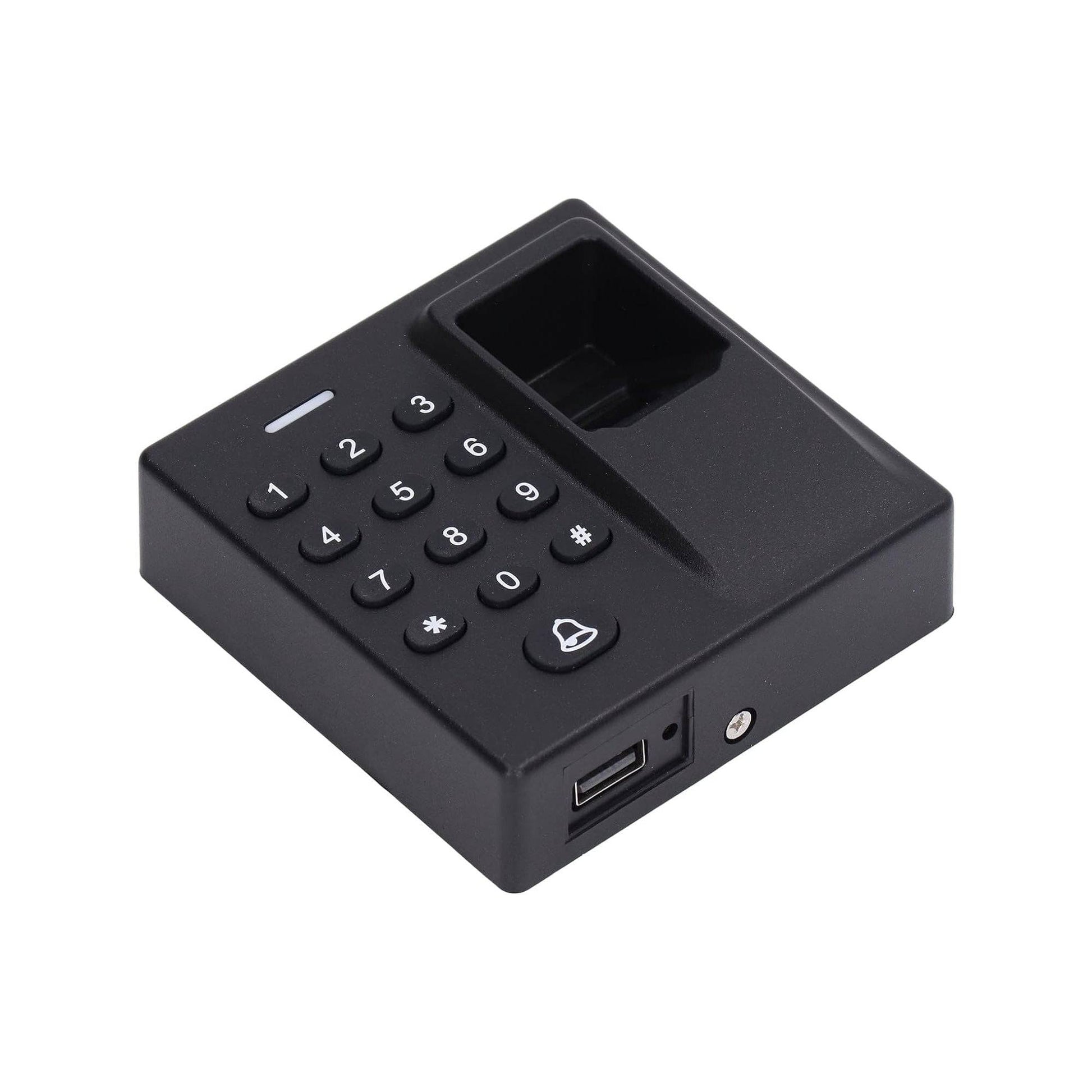
Door Lock Access Control System: A Smarter Way to Secure Your Premises
A door lock access control system helps manage who can enter a building, room or restricted area. Instead of relying only on conventional keys, it uses credentials such as access cards, PINs, fingerprints or mobile devices to authenticate users. These systems are used in offices, factories, educational institutions, residential complexes, hospitals and many other settings.
How Does a Door Access Control System Work?
An authorised user presents a credential at a reader installed near the door. The system checks the credential against its access permissions. If access is approved, an electronic lock releases the door for a set period. If access is denied, the door remains locked. Depending on the system, events such as successful entry, rejected attempts and door-forced alarms may also be recorded.
A typical installation may include:
- Access credentials: Cards, key fobs, PINs, fingerprints or mobile credentials used to request entry.
- Reader: A device that reads or verifies the credential.
- Access controller: The hardware or software that checks permissions and operates the lock.
- Electronic lock: Such as an electromagnetic lock, electric strike or electronic lockset.
- Door hardware: Exit buttons, door contacts, request-to-exit sensors and other components, as required.
- Management software: Used to add or remove users, set access schedules and review event records.
Common Types of Access Credentials
Access Cards and Key Fobs
Cards and fobs are convenient for workplaces and shared facilities. If one is lost, its access permission can usually be cancelled without changing the lock for every user.
PIN Keypads
A keypad grants access using a code. PINs are straightforward to issue, but they should not be shared or reused unnecessarily. For higher security, a PIN can be combined with a card or another credential.
Biometric Readers
Biometric systems may use fingerprints or other physical characteristics to verify identity. Suitability depends on the environment, privacy requirements, enrolment process and the system’s ability to handle failed reads. Organisations should also consider how biometric information is collected, stored and protected.
Mobile Credentials
Some systems allow a smartphone to act as an access credential. Mobile access can simplify issuing and withdrawing permissions, though it depends on compatible devices, software and connectivity arrangements.
Benefits of an Access Control System
- Controlled entry: Access can be limited to approved people and designated areas.
- Flexible permissions: Users can be assigned different access rights based on their role, location or working hours.
- Improved key management: Lost cards or fobs can often be disabled without replacing physical keys across the premises.
- Event records: Many systems record access events, helping authorised administrators review activity.
- Convenient administration: Permissions can be updated when employees, contractors or residents change roles or leave.
- Integration options: Depending on the system, access control may be integrated with CCTV, alarm systems, visitor management or time and attendance solutions.
Choosing the Right Door Lock Access Control System
The right solution depends on the building, the number of users and the level of security required. Before selecting a system, consider:
- The number of doors and users to be managed.
- Whether access is needed at one site or across multiple locations.
- The type of door, frame and existing locking hardware.
- Whether the system should operate locally, over a network or through a cloud-based platform.
- How user permissions, visitor access and access records will be managed.
- Requirements for emergency exit, fire safety and local building regulations.
- Power backup, cybersecurity, privacy and ongoing maintenance requirements.
- Compatibility with existing security or building management systems.
Installation and Safety Considerations
Access control should be planned as part of the complete door and security arrangement. The lock must suit the door and its intended use, while exit hardware must allow people to leave safely in an emergency. Fire doors and escape routes require particular care: any access control fitted to them must be compatible with applicable fire and life-safety requirements.
Professional installation can help ensure that readers, locks, controllers and door hardware work together correctly. The installer should also explain how to enrol users, manage lost credentials, configure access schedules and respond to power or network interruptions.
Maintenance and Good Security Practices
Regularly review user permissions and remove access for people who no longer require it. Report lost credentials promptly, use strong administrator passwords and keep system software updated where applicable. Periodically test the door, lock, exit controls, backup power and event reporting. A system’s records should be accessible only to authorised personnel and retained in line with the organisation’s policies and applicable requirements.
Conclusion
A door lock access control system offers a practical way to manage entry without relying solely on traditional keys. By selecting suitable credentials, locks and management features—and by giving proper attention to installation, emergency egress and maintenance—organisations can create a more organised and controlled approach to building security.
Door Lock Access Control Systems: Frequently Asked Questions
- What is a door lock access control system, and how does it work?
- What types of credentials can be used with a door access control system?
- Can an access control system be installed on an existing door?
- What happens to an electronic door lock during a power failure?
- How much does it cost to install and maintain a door lock access control system?
What is a door lock access control system, and how does it work?
A door lock access control system is an electronic solution that controls who can enter a building or restricted area. Instead of using a traditional key, an authorised person presents a credential—such as an access card, PIN, fingerprint or mobile phone—to a reader at the door. The system checks the credential against the user’s permissions and, if access is approved, signals the electronic lock to release. Access permissions can often be set by person, door and time, while the system may also record entry events for authorised administrators to review.
What types of credentials can be used with a door access control system?
Door access control systems can use a range of credentials, including access cards and key fobs, PIN codes, fingerprints and mobile credentials stored on smartphones. Some systems allow two credentials to be combined—for example, a card and PIN—for an additional layer of verification. The right option depends on the level of security required, ease of use, site conditions and privacy considerations.
Can an access control system be installed on an existing door?
Yes, an access control system can usually be installed on an existing door, provided the door, frame and lock are suitable for the selected hardware. An installer can assess whether an electric strike, electromagnetic lock or electronic lockset is appropriate, and check that the door continues to meet fire-safety and emergency-exit requirements. The choice may depend on the door’s material, condition and existing locking arrangement, so a site assessment is recommended before installation.
What happens to an electronic door lock during a power failure?
During a power failure, an electronic door lock’s behaviour depends on its type and configuration. A fail-safe lock unlocks when power is lost, while a fail-secure lock stays locked from the outside; in many installations, people can still exit using the door’s mechanical hardware. Some systems include a backup battery or uninterruptible power supply to keep the lock and access control system operating temporarily. Before installation, confirm the lock’s behaviour with a qualified installer and ensure the arrangement meets applicable fire-safety and emergency-exit requirements.
How much does it cost to install and maintain a door lock access control system?
The cost of installing and maintaining a door lock access control system depends on factors such as the number of doors, type of locks and readers, access credentials, software, wiring, integration with existing security systems and the complexity of the installation. Ongoing costs may include software subscriptions, replacement cards or batteries, servicing and repairs. Since requirements vary from one site to another, it is best to request a site assessment and a detailed quotation that covers both installation and future maintenance.