Edwards Fire Alarm Panel: A Guide to Features, Applications and Selection
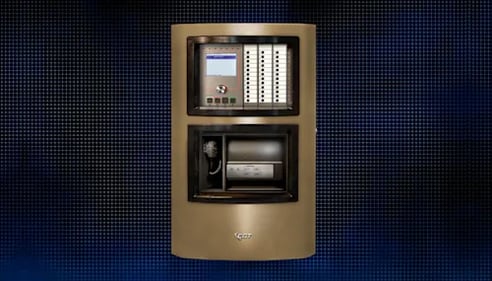
An Edwards fire alarm panel is the central control unit of a fire detection and alarm system. It receives signals from devices such as smoke detectors, heat detectors and manual call points, assesses the information and activates appropriate alerts. Depending on the system design, it can also send signals to other building safety equipment.
Edwards offers fire alarm systems for a range of building types and project requirements. The suitable panel depends on factors such as the size and layout of the premises, the number of detection points, the required level of monitoring and local fire-safety regulations.
What does a fire alarm panel do?
The panel monitors connected devices and circuits for signs of fire or system trouble. When a detector or manual call point reports an alarm, the panel indicates the event and activates configured notification devices, such as sounders, bells, strobes or public-address interfaces. It may also communicate with a remote monitoring station or interact with other building systems, where designed and approved to do so.
The panel can display useful information, such as the alarm zone or the address of the device that initiated the event. This helps staff and emergency responders identify where to investigate. The exact information available depends on the panel type and system configuration.
Addressable and conventional Edwards panels
Fire alarm systems are commonly designed as either conventional or addressable systems. Edwards product availability and specifications can vary by model and region, so the panel’s data sheet should always be checked before selection.
- Conventional systems: Devices are grouped into zones. When an alarm occurs, the panel identifies the zone in alarm, rather than necessarily identifying the exact device. This can be suitable for smaller or less complex premises.
- Addressable systems: Each compatible device has an individual address. The panel can usually identify the specific detector or call point reporting an event, which can make fault-finding and incident response more precise in larger or more complex buildings.
Addressable systems may be preferred where a building has multiple floors, many detection points or a need for more detailed event information. The decision should be based on a competent fire-system design, not on the panel alone.
Common system components
An Edwards fire alarm panel forms part of a complete fire alarm system. Depending on the design, the system may include:
- Smoke, heat or other approved fire detectors
- Manual call points for raising an alarm
- Sounders, bells, visual alarm devices or other notification equipment
- Input and output modules for monitoring or controlling approved interfaces
- Standby batteries and a mains power supply
- Repeater panels or remote annunciators for additional locations
- Communication equipment for remote signalling, where required
Devices and accessories must be compatible with the selected panel and installed in accordance with the manufacturer’s instructions and the approved system design.
Benefits of a well-designed Edwards fire alarm system
- Clear event information: Depending on the model and system type, the panel can help staff locate an alarm or fault more quickly.
- Scalable design: Some systems can be planned to suit different building sizes and operational needs. Capacity and expansion options are model-specific.
- Central monitoring: The panel provides a central point for monitoring connected detection and alarm devices.
- System supervision: A properly configured panel can indicate certain faults, such as wiring or power issues, allowing them to be investigated.
- Integration options: Interfaces with other building systems may be possible, but must be carefully designed and tested to ensure that fire-safety functions remain reliable.
Where can Edwards fire alarm panels be used?
Depending on the model and the system design, Edwards fire alarm panels may be considered for commercial buildings, offices, educational institutions, healthcare facilities, hotels, industrial premises and other sites requiring fire detection and alarm facilities. Suitability depends on the building’s fire strategy, occupancy, environmental conditions and applicable regulations.
How to choose the right panel
Before selecting an Edwards fire alarm panel, consider the following:
- Building size and layout: Assess the number of floors, areas and detection devices that the system must cover.
- System type: Decide whether a conventional or addressable design is appropriate for the premises and the required level of event identification.
- Device capacity: Confirm that the panel supports the required number and type of devices, with suitable allowance for future changes.
- Notification requirements: Plan sounders and visual alarm devices to meet the building’s evacuation and accessibility needs.
- Interfaces: Identify any required connections to approved equipment, such as door-release or ventilation systems, and define how these will operate during an alarm.
- Power and standby requirements: Check the panel’s power arrangements and battery calculations for the project.
- Local compliance: Confirm that the selected equipment and design meet the applicable Indian fire-safety requirements, building approvals and project specifications.
- Support and spares: Check product availability, technical support, maintenance expertise and the availability of compatible replacement parts.
Installation, testing and maintenance
Fire alarm panels should be installed and commissioned by qualified professionals familiar with the selected Edwards equipment and relevant fire-alarm practices. Commissioning should verify the devices, circuits, alarm indications, notification appliances, power supply, standby batteries and any approved interfaces. The responsible building team should also be trained in routine operation and alarm response.
Regular inspection, testing and maintenance are essential. The schedule should follow the manufacturer’s instructions, the approved fire-safety plan and applicable requirements. Any alarm, fault or disablement indication should be investigated promptly by authorised personnel. System changes should be documented and tested after completion.
Important considerations
Product names, features, capacities and approvals can differ between Edwards panel models and markets. Always verify the exact model number, current product documentation, device compatibility and local approvals before purchase or installation. A fire alarm panel is only one part of a complete life-safety system; correct design, installation, commissioning and ongoing maintenance are equally important.
Conclusion
An Edwards fire alarm panel can provide central monitoring and control for a properly designed fire detection and alarm system. Choosing the right solution involves assessing the building, selecting compatible devices, meeting local requirements and arranging professional installation and maintenance. Consult an experienced fire alarm system designer or authorised supplier to identify the panel and configuration that best suit the project.
Edwards Fire Alarm Panels: 8 FAQs on Resetting, Brands, Features, Pricing and Distributors in India
- How to reset Edwards fire alarm?
- Are Kidde and Edwards the same company?
- What is the best fire alarm control panel?
- Is Edwards and EST the same?
- What is Edwards system?
- Who are the distributors of Edwards fire alarm systems in India?
- What is the price of Edwards EST3 fire alarm panel?
- Where is Edwards fire alarm manufactured?
How to reset Edwards fire alarm?
To reset an Edwards fire alarm panel, first check the display and investigate the alarm or fault; never reset an active alarm or silence it without confirming the situation is safe. Once the cause has been addressed and the system is clear, an authorised person can follow the reset procedure in the instructions for that specific panel, as steps vary by model and may require an access code or key. If the alarm returns, a fault remains, or the cause is unclear, contact a qualified fire-alarm technician and follow the site’s emergency procedures.
Are Kidde and Edwards the same company?
Kidde and Edwards are separate fire-safety brands, but both are part of Carrier Global Corporation’s portfolio. They are therefore related through their parent company, not the same brand. Their fire alarm panels and devices may have different features and compatibility, so check the specific model and manufacturer documentation before selecting or integrating equipment.
What is the best fire alarm control panel?
The best fire alarm control panel is one that suits the building’s size, layout, fire-safety design and applicable Indian regulations. Edwards panels may be a suitable option for projects requiring reliable monitoring and compatible detection devices, but the right choice depends on factors such as system capacity, conventional or addressable operation, integration needs, local technical support and maintenance availability. A qualified fire-safety professional should assess the site and confirm the panel’s compatibility and approvals before selection.
Is Edwards and EST the same?
Edwards and EST are closely related, but the names are not always interchangeable. EST stands for Edwards Systems Technology, a name historically used for Edwards fire alarm products and systems. Today, these systems are generally marketed under the Edwards brand, although “EST” is still commonly used for older installations and certain product ranges. Check the panel’s model number and documentation to confirm its exact specifications and compatibility.
What is Edwards system?
An Edwards system is a fire detection and alarm system built around an Edwards fire alarm control panel. The panel monitors connected devices—such as smoke and heat detectors, manual call points and alarm sounders—and displays alarm or fault information. Depending on the model and system design, it may identify an event by zone or by individual device and can support approved connections to other building safety systems. The system should be selected, installed and maintained by qualified professionals in line with the manufacturer’s instructions and applicable Indian fire-safety requirements.
Who are the distributors of Edwards fire alarm systems in India?
Edwards fire alarm systems in India are available through authorised distributors and fire-safety system integrators, but the appointed channel can vary by region and product. For the latest distributor details, contact Edwards/Carrier Fire & Security through its official channels and confirm the supplier’s authorisation, product compatibility and warranty coverage before purchasing.
What is the price of Edwards EST3 fire alarm panel?
The price of an Edwards EST3 fire alarm panel in India depends on the system configuration, number of loops and devices, required modules, accessories, software, installation and commissioning costs, and applicable taxes. As pricing and availability can vary by supplier and project, request a current quotation from an authorised Edwards supplier or fire-alarm system integrator, providing your site requirements and checking that the proposed equipment meets applicable local regulations.
Where is Edwards fire alarm manufactured?
Edwards fire alarm panels are manufactured in different locations, depending on the model and the market, so there is no single country of manufacture for every panel. To confirm the origin of a specific unit, check its product label, packaging or technical documentation, or ask an authorised Edwards supplier.