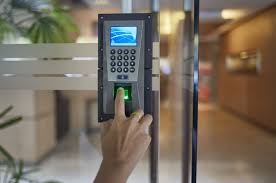

ESS Security: Building Safer, Smarter Spaces
Security needs are changing as homes, offices, factories and public spaces become more connected. ESS security—short for electronic security systems—uses technology to help monitor premises, manage access and respond to potential risks. When thoughtfully planned, these systems can support people and physical security while making day-to-day operations more efficient.
What is an electronic security system?
An electronic security system brings together devices and software that help protect people, property and information. Depending on the site and its requirements, it may include CCTV cameras, access control, intrusion alarms, video door phones, perimeter protection and security management software.
These components can work independently or be integrated. For example, an access control system may record an entry, while a connected camera captures video of the same event. Integration can give authorised staff a clearer picture of what is happening and help them respond appropriately.
Common components of ESS security
- CCTV and video surveillance: Cameras help observe entrances, work areas, parking spaces and other important locations. Features such as night vision, motion detection and remote viewing may be useful, depending on the site.
- Access control: Card readers, PIN pads, biometric devices and other credentials can help manage who is permitted to enter particular areas.
- Intruder alarms: Door contacts, motion sensors and alarm panels can detect unauthorised entry and alert designated personnel.
- Video door phones: These allow occupants or reception staff to see and speak with visitors before granting access.
- Perimeter security: Sensors, barriers and surveillance can help monitor boundaries and control vehicle or pedestrian entry.
- Central monitoring and software: A management platform can bring together alerts, access records and video feeds, subject to the system’s design.
Why does ESS security matter?
A well-designed system can help deter unauthorised access, provide useful records for reviewing incidents and improve awareness of activity across a site. Access permissions can also be adjusted for different people, locations and times. This is particularly helpful in premises with restricted areas, multiple entrances or changing staff and visitor requirements.
Electronic systems are not a substitute for security staff, clear procedures or physical safeguards. They work best as part of a broader security plan that considers how people will use the premises and how alerts will be handled.
Planning an effective system
Start by assessing the site rather than choosing equipment based on features alone. Consider the property layout, entry points, operating hours, lighting, network availability, environmental conditions and the level of risk. Identify which areas need monitoring and who should have access to each one.
It is also important to consider privacy. Camera placement should be appropriate to the security purpose, and access to recordings should be limited to authorised users. Organisations should establish suitable policies for handling, retaining and sharing security data, in line with applicable requirements.
Integration, maintenance and cybersecurity
Integrating cameras, alarms and access control can make systems easier to manage, but only when the components are compatible and configured properly. Before installation, confirm how devices will communicate, where recordings will be stored and what happens if power or network connectivity is interrupted.
Connected security devices should be treated as part of an organisation’s wider IT environment. Use strong, unique passwords, change default credentials, restrict user permissions and keep software and firmware updated. Secure network configuration and regular reviews can help reduce avoidable cyber risks.
Maintenance is equally important. Cameras may need cleaning and repositioning, batteries may need replacement, and sensors and alarms should be tested periodically. Reviewing access permissions and system logs can help ensure that the setup continues to match current requirements.
Choosing an ESS security solution
When comparing solutions, look beyond the initial equipment cost. Ask about installation, system compatibility, training, warranties, ongoing support, expansion options and data storage. A site assessment and a clear written proposal can help clarify what is included and how the system is expected to operate.
The right ESS security setup is one that suits the premises, is straightforward for authorised users and can be maintained over time. With careful planning, responsible data practices and regular testing, electronic security systems can form a practical part of a safer environment.
6 Key Benefits of Electronic Security Systems (ESS)
- Helps deter unauthorised access.
- Monitors premises in real time.
- Provides useful incident records.
- Manages access to restricted areas.
- Can integrate cameras, alarms and access control.
- Supports safer, more efficient operations.
Key Drawbacks of ESS Security Systems
- Can be costly to install and maintain.
- Depends on reliable power and network connectivity.
- Requires strong cybersecurity and careful data protection.
Helps deter unauthorised access.
Electronic security systems can help deter unauthorised access by making entry points more visible and controlled. CCTV cameras, access cards, biometric readers and alarm sensors can signal that a premises is monitored, while access permissions help restrict entry to approved people. Together, these measures can discourage opportunistic trespassing and support a safer environment for staff, visitors and property.
Monitors premises in real time.
One of the key advantages of ESS security is its ability to monitor premises in real time. CCTV cameras, sensors and central monitoring systems can provide a live view of important areas, helping authorised staff spot unusual activity as it happens. This timely visibility allows them to assess alerts and take appropriate action quickly, whether that means contacting security personnel, verifying an incident or notifying the relevant emergency services.
Provides useful incident records.
ESS security systems can provide useful records of incidents through time-stamped CCTV footage, access logs and alarm events. These records can help authorised personnel understand what happened, when it occurred and which areas or entry points were involved. When stored securely and reviewed in line with applicable privacy requirements, they can support internal investigations, improve security procedures and provide relevant information to the appropriate authorities.
Manages access to restricted areas.
ESS security helps manage access to restricted areas by allowing entry only to authorised people. Access control systems can use cards, PINs, biometrics or other credentials, with permissions set according to a person’s role, location and working hours. This helps protect sensitive spaces, supports better monitoring of entry and exit, and makes it easier to update or revoke access when requirements change.
Can integrate cameras, alarms and access control.
One of the key advantages of ESS security is its ability to integrate cameras, alarms and access control into a coordinated system. This allows authorised staff to view relevant footage, receive alerts and manage entry from a more centralised platform. By connecting these functions, organisations can improve situational awareness, respond more efficiently to incidents and manage site security with greater ease.
Supports safer, more efficient operations.
ESS security systems support safer, more efficient operations by helping organisations monitor premises, manage access and respond to security events more quickly. Features such as CCTV, access control and automated alerts can improve awareness, reduce manual checks and help staff focus on their core responsibilities. When these systems are properly planned and maintained, they can contribute to a safer, smoother-running workplace.
Can be costly to install and maintain.
One drawback of ESS security is that it can be costly to install and maintain. The initial investment may include cameras, sensors, access-control devices, software, cabling and professional installation. Ongoing expenses can include system upgrades, repairs, replacement parts, storage and technical support. Costs may increase further for large or complex premises, so it is helpful to assess requirements and budget for both installation and long-term upkeep before choosing a system.
Depends on reliable power and network connectivity.
One limitation of ESS security is its dependence on reliable power and network connectivity. A power cut may interrupt cameras, access control devices or alarms unless suitable backup power is available. Similarly, network outages can affect remote monitoring, cloud-based features and communication between connected devices. To reduce these risks, businesses should consider backup power, secure local recording and a contingency plan for outages, and test these arrangements regularly.
Requires strong cybersecurity and careful data protection.
ESS security systems rely on connected devices and often collect sensitive information, such as CCTV footage, access records and visitor details. This makes strong cybersecurity and careful data protection essential. Weak passwords, outdated software or poorly secured networks may expose systems to unauthorised access or data breaches. Organisations should use secure configurations, limit access to authorised users, update devices regularly and follow appropriate data handling and retention practices.