Fire Safety Alarms: An Essential First Line of Protection
A fire can spread quickly, leaving very little time to react. A fire safety alarm helps detect danger early and alerts people so they can evacuate and contact emergency services. Whether installed in a home, office, shop, school, factory or other premises, a properly selected and maintained alarm system is an important part of fire safety.
What Is a Fire Safety Alarm?
A fire safety alarm system detects signs of a fire—such as smoke, heat or flames—and gives an audible and, in some systems, visual warning. Larger systems may also alert a control room or monitoring service and activate other safety equipment, depending on how the system is designed.
An alarm does not put out a fire. Its primary purpose is to provide an early warning so people can move to safety and appropriate emergency procedures can begin.
Common Types of Fire Detectors
- Smoke detectors: Detect smoke particles in the air. They are commonly used in homes, offices and corridors.
- Heat detectors: Respond to a rise in temperature or a set temperature threshold. They may be suitable for areas where cooking fumes, dust or steam could trigger a smoke detector.
- Flame detectors: Detect the light or radiation produced by a flame. They are generally used in specific industrial or high-risk environments.
- Multi-sensor detectors: Combine more than one sensing method, such as smoke and heat detection, to suit particular applications.
The right detector depends on the building, the activities carried out there and the conditions in each area. A qualified fire safety professional can help determine suitable locations and equipment.
Types of Fire Alarm Systems
Fire alarm systems are commonly described as conventional or addressable:
- Conventional systems: Divide a building into zones. When an alarm is triggered, the control panel indicates the zone where the signal originated, but not necessarily the exact detector.
- Addressable systems: Identify individual devices on the system, helping authorised personnel locate the source of an alarm more precisely.
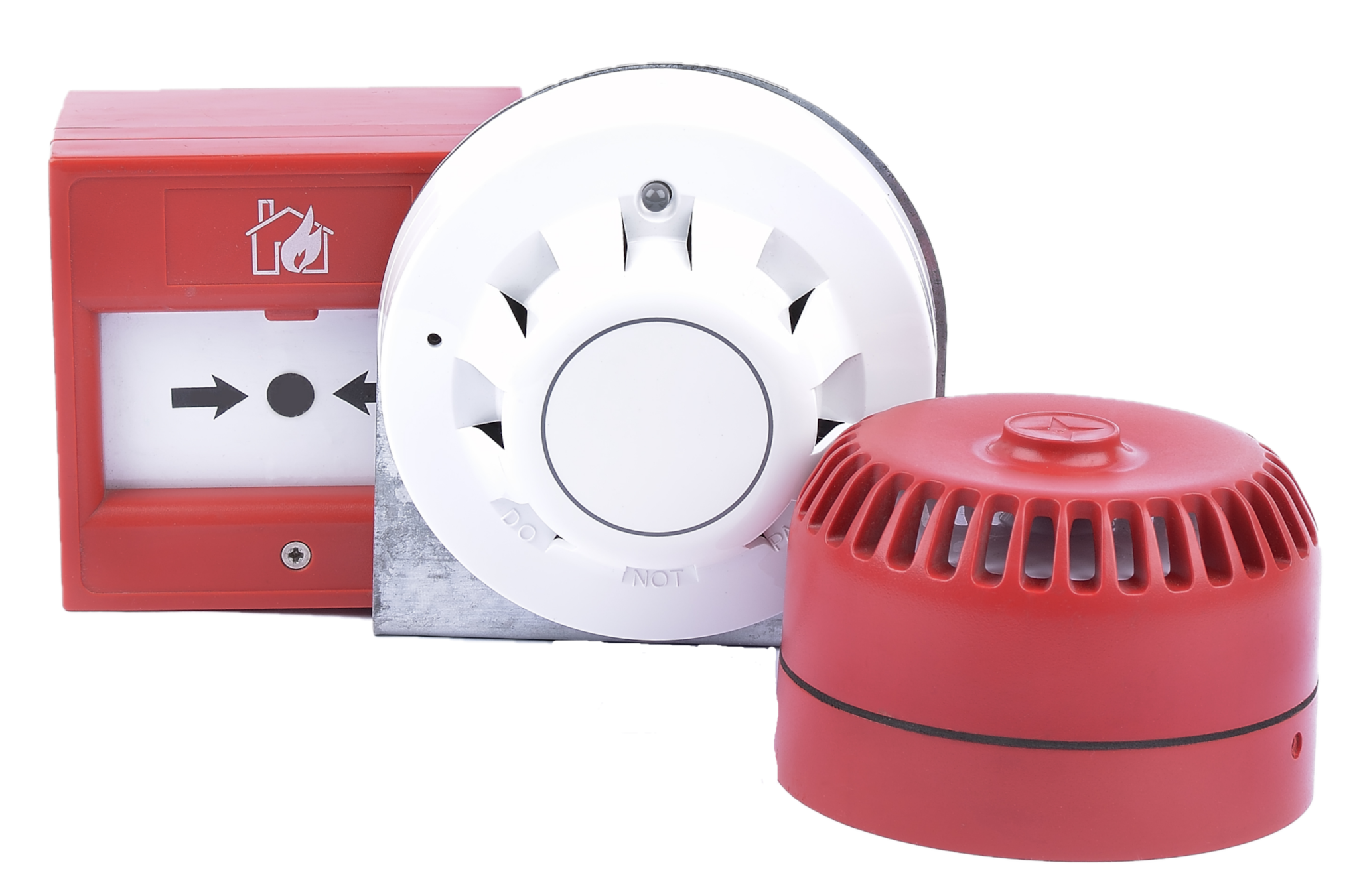
Some premises use standalone alarms, while others require an integrated system with manual call points, sounders, visual indicators, control panels and interfaces to other building systems. The choice should be based on a proper assessment of the premises and applicable requirements.
Why Early Detection Matters
Early warning can give occupants valuable time to leave before smoke and heat make escape difficult. A well-planned system can also help staff identify an affected area, begin evacuation procedures and notify the responsible response team. In workplaces and public buildings, clear alarms and evacuation plans are especially important because people may be unfamiliar with the building.
Choosing and Installing an Alarm System
Before installing a fire alarm system, consider the size and layout of the premises, how each area is used, the number of occupants and any specific fire risks. Detector placement matters: a device that is poorly positioned, obstructed or exposed to unsuitable conditions may not work as intended.
Installation should be carried out by competent professionals. In India, building owners and organisations should check the requirements that apply to their building, including relevant local fire authority directions, building regulations and applicable standards. Requirements can vary according to the building’s use, size and location.
Testing and Maintenance
A fire alarm is useful only if it works when needed. Follow the manufacturer’s instructions and the maintenance schedule recommended by a qualified service provider. Good practice includes:
- Testing the system at the recommended intervals.
- Checking control panels for faults or warning indicators.
- Keeping detectors, call points and sounders clear of obstructions.
- Replacing batteries or other components as directed.
- Arranging periodic inspection and servicing by a competent technician.
- Recording tests, faults, repairs and maintenance work.
Never disable an alarm or remove a detector to prevent nuisance alerts. If alarms occur repeatedly, have the cause investigated and address it with appropriate equipment or system adjustments.
What to Do When the Alarm Sounds
- Stay calm and treat the alarm as genuine unless authorised personnel confirm otherwise.
- Stop work and leave using the nearest safe exit. Do not use lifts during a fire evacuation.
- Help others only if it is safe to do so, and follow the building’s evacuation plan.
- Go to the designated assembly point and do not re-enter the building until it is declared safe.
- Contact the local fire and emergency services from a safe location.
Make Fire Safety a Shared Responsibility
A fire safety alarm is one part of a broader fire protection plan. Clear escape routes, suitable fire-fighting equipment, visible instructions, trained staff and regular evacuation drills all contribute to safer premises. With the right system, professional installation and consistent maintenance, occupants can receive an early warning and respond more effectively in an emergency.
6 Essential Fire Alarm Safety Tips for Every Home
- Install smoke alarms on every floor and near bedrooms.
- Test each alarm monthly.
- Replace batteries as recommended by the manufacturer.
- Keep alarms clear of dust and obstructions.
- Never disable an alarm, even when cooking.
- Practise an escape plan and call 112 from a safe place.
Install smoke alarms on every floor and near bedrooms.
Install smoke alarms on every floor of your home, including the basement, and place them near bedrooms so they can alert everyone while they sleep. Follow the manufacturer’s instructions for positioning, and avoid placing alarms too close to kitchens or bathrooms, where cooking fumes or steam may cause false alerts. Test the alarms regularly and replace batteries or units as recommended.
Test each alarm monthly.
Test each fire safety alarm once a month to check that it is working properly. Follow the manufacturer’s instructions, and make sure everyone in the building recognises the alarm sound and knows what to do when it is heard. If an alarm fails the test, shows a fault or has a weak battery, arrange for it to be repaired or replaced promptly.
Replace batteries as recommended by the manufacturer.
Replace fire alarm batteries as recommended by the manufacturer to help ensure the alarm works when needed. Use the correct battery type, fit it securely and test the alarm afterwards. If the alarm continues to beep or show a fault, check the instructions or contact a qualified technician rather than removing the battery and leaving the alarm inactive.
Keep alarms clear of dust and obstructions.
Keep fire safety alarms clear of dust and obstructions so they can detect smoke or heat and alert occupants promptly. Dust, paint, decorations or stored items covering a detector may affect its performance or block the sound. Clean and check alarms regularly, following the manufacturer’s instructions, and avoid placing furniture or other objects in front of them.
Never disable an alarm, even when cooking.
Never disable a fire safety alarm, even when cooking. If smoke or steam triggers it frequently, improve ventilation or ask a qualified professional about a suitable detector or its placement—do not remove the battery or switch the alarm off. A working alarm can provide an early warning and precious time to reach safety if a real fire breaks out.
Practise an escape plan and call 112 from a safe place.
Practise your fire escape plan regularly so everyone knows the nearest safe exit, the assembly point and what to do if an alarm sounds. Leave the building promptly, avoid lifts and never go back inside for belongings. Once you are safely outside and away from danger, call 112 and share your location and any important details with the emergency services.