Garage Doors: Types, Benefits and Maintenance Tips
A garage door is more than an entrance for vehicles. It helps protect a home or commercial premises, supports privacy and can contribute to the overall appearance of a property. Choosing the right door means considering the available space, frequency of use, security requirements and maintenance needs.
Common Types of Garage Doors
Sectional Garage Doors
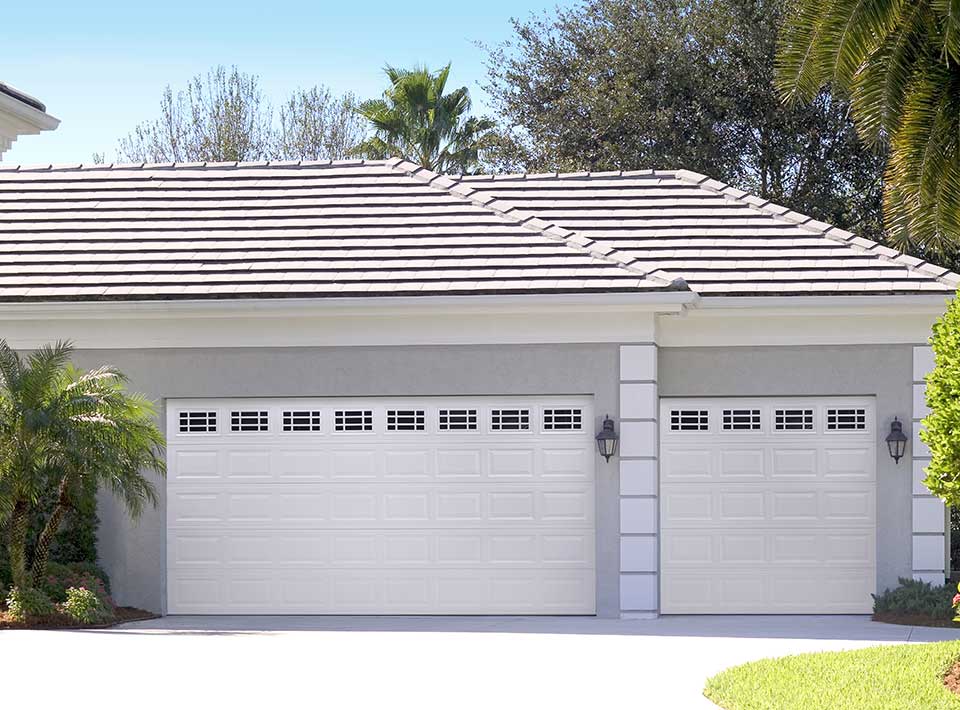
Sectional doors are made of horizontal panels connected by hinges. They move upwards along tracks and sit beneath the ceiling when open. As they do not swing outwards, they can be a practical option where driveway space is limited.
Roller Garage Doors
Roller doors open vertically and coil into a compact box above the opening. Their space-saving design makes them suitable for garages with limited headroom or short driveways. The size and weight of the door should be matched to a suitable operating mechanism.
Up-and-Over Garage Doors
These doors consist of a single panel that tilts outwards and then moves into the garage roof space. They are a familiar and straightforward design, but the outward movement should be considered if the garage opens directly onto a footpath or a short driveway.
Swing-Out Garage Doors
Swing-out doors open like a pair of conventional doors. They can offer a traditional appearance and are relatively simple in design. However, they require clear space in front of the garage to open safely.
Manual or Automatic Operation?
A manual garage door is operated by hand and may suit a smaller garage or less frequent use. An automatic door uses a motor and control system, often operated with a remote or wall-mounted switch. Automation can make everyday access more convenient, particularly during heavy rain or when arriving by vehicle.
When considering an automatic system, check that it includes appropriate safety features, such as obstacle detection and a way to operate the door during a power cut. Follow the manufacturer’s instructions and have the system installed and maintained by a qualified professional.
What to Consider Before Choosing a Garage Door
- Available space: Measure the opening, ceiling clearance and driveway area. Different door styles need different amounts of room.
- Material: Steel, aluminium, timber and composite materials each have different appearance, durability and maintenance requirements.
- Security: Look for a strong construction, reliable locking arrangements and an operating system suited to the door’s size and weight.
- Insulation: If the garage is attached to the home or used as a workspace, insulation may help improve comfort. Performance depends on the complete door and installation.
- Frequency of use: A door used several times a day may need a more robust mechanism than one used occasionally.
- Weather exposure: Consider the local climate and choose finishes and materials that are suitable for the conditions.
- Appearance: A garage door can have a significant effect on a property’s frontage. Consider its colour, finish and design alongside the rest of the building.
Garage Door Safety and Security
Garage doors are heavy moving equipment, so safe operation is essential. Keep children and pets away while the door is moving, and never allow anyone to walk or play beneath an open door. Do not attempt to adjust springs, cables or other high-tension parts yourself; these components can cause serious injury if handled incorrectly.
For improved security, keep remote controls secure, close the door fully when leaving and check that the locking system engages properly. If the garage connects directly to the home, keep the internal access door locked. Report unusual noises, jerky movement or a door that does not close completely to a qualified service professional.
Basic Maintenance Tips
- Check the door, tracks and visible hardware periodically for damage, looseness or signs of wear.
- Keep the area around the tracks clear of dust and objects.
- Clean the door’s surface using a method suitable for its material and finish.
- Test the automatic door’s safety features according to the manufacturer’s instructions.
- Arrange professional inspection if the door becomes difficult to operate, moves unevenly or makes unusual sounds.
Choosing a Garage Door That Suits Your Property
The right garage door balances convenient operation, suitable security, durability and appearance. Before making a decision, take accurate measurements and consider how the door will be used each day. A qualified installer can help assess the opening, recommend a suitable type and ensure that the door and operating mechanism are installed safely.
6 Essential Garage Door Maintenance and Safety Tips
- Lubricate hinges and rollers regularly.
- Keep the door tracks clean and clear.
- Test the auto-reverse safety feature monthly.
- Keep fingers away from moving panels.
- Replace frayed cables promptly.
- Secure the door before leaving home.
Lubricate hinges and rollers regularly.
Lubricate the garage door’s hinges and rollers regularly to help them move smoothly and reduce friction, squeaking and wear. Use a lubricant recommended by the manufacturer, applying it sparingly to the moving parts. Avoid getting lubricant on tracks unless the manufacturer advises it, as excess residue can attract dust and debris. Before carrying out maintenance, keep people clear of the door and follow the product instructions.
Keep the door tracks clean and clear.
Keep your garage door tracks clean and clear to help the door open and close smoothly. Dust, leaves and other debris can obstruct the rollers, cause uneven movement or place extra strain on the operating mechanism. Check the tracks regularly and gently remove any loose dirt, while avoiding oil or grease unless recommended by the manufacturer. If you notice damage, persistent sticking or unusual noises, contact a qualified garage door technician.
Test the auto-reverse safety feature monthly.
Test your garage door’s auto-reverse safety feature once a month to help ensure it responds properly to an obstruction. Follow the manufacturer’s instructions for the test, using a suitable object if required, and never place your hands, feet or any part of your body in the door’s path. If the door does not reverse as expected, stop using the automatic system and contact a qualified technician.
Keep fingers away from moving panels.
Keep fingers away from moving garage door panels, hinges and joints when opening or closing the door. These areas can create pinch points and cause serious injury. Use the handle or control switch, keep children clear of the door while it is moving, and never try to guide the panels by hand.
Replace frayed cables promptly.
Replace frayed garage door cables promptly, as worn cables can snap without warning and cause the heavy door to fall unevenly or suddenly. If you notice fraying, rust or slack, stop using the door and contact a qualified garage door technician. Cables are under high tension, so do not attempt to repair or replace them yourself.
Secure the door before leaving home.
Before leaving home, make sure the garage door is fully closed and securely locked. Check that it has stopped moving and that no gap remains at the bottom or sides. If you use an automatic door, keep the remote control secure and avoid leaving it visible inside your vehicle. These simple steps can help reduce the risk of unauthorised access to your garage and home.