Home Burglar Alarm System: A Practical Guide to Securing Your Home
A home burglar alarm system helps protect your property by detecting unauthorised entry and alerting you or a monitoring contact. Whether you live in an apartment, an independent house or a gated community, the right system can add an important layer of security alongside strong doors, secure windows and good lighting.
What Is a Home Burglar Alarm System?
A burglar alarm system uses sensors placed around a home to identify possible intrusion. When a sensor detects activity while the system is armed, it sends a signal to a central control panel. The system may then sound an alarm, send a notification to a mobile phone or alert a monitoring service, depending on its features and setup.
Common Components
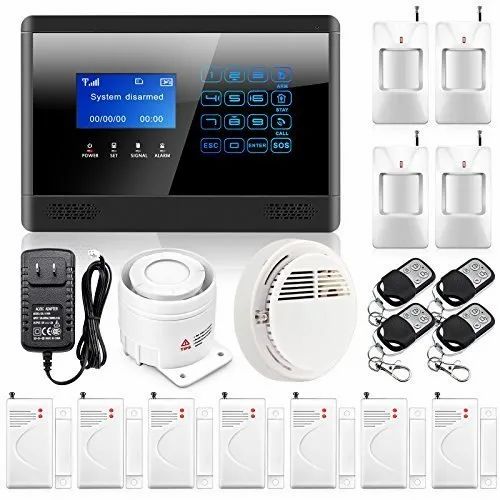
- Control panel: The central unit that receives signals from sensors and manages the system.
- Door and window sensors: These detect when a protected door or window is opened.
- Motion detectors: These identify movement in selected indoor areas. Pet-friendly models may help reduce false alarms caused by small pets.
- Glass-break sensors: These are designed to detect the sound or vibration of breaking glass.
- Alarm siren: A siren can draw attention to an incident and may discourage an intruder.
- Keypad or mobile app: These allow authorised users to arm and disarm the system and manage selected settings.
- Backup battery: A backup battery can keep the system operating during a power cut, depending on the equipment and battery condition.
- Communication connection: Systems may use a wired connection, mobile network or internet connection to send alerts.
Types of Home Alarm Systems
Wired systems
Wired alarms connect sensors to the control panel through cables. They can be a suitable option during new construction or renovation, when wiring can be planned discreetly. Existing homes may require more installation work to conceal cables.
Wireless systems
Wireless alarms communicate between sensors and the control panel without signal cables. They are often easier to install in completed homes and can be expanded with compatible devices. Batteries in wireless sensors need to be checked and replaced as recommended by the manufacturer.
Monitored systems
A monitored system sends an alert to a designated monitoring service when an alarm is triggered. The response process depends on the service provider, the agreed contact list and local arrangements. Before subscribing, confirm what the service includes and how alerts are handled.
Self-monitored systems
A self-monitored alarm sends notifications directly to the homeowner or other selected contacts, usually through an app or phone call. This can offer convenient remote awareness, but someone must be available to receive and act on the alert.
How to Choose the Right System
Every home has different entry points, routines and security needs. Consider the following before selecting an alarm:
- Assess likely entry points: Review the main entrance, rear doors, accessible windows, balconies and garage access.
- Choose suitable sensor coverage: Protect vulnerable openings and consider motion detection in key indoor areas.
- Check connectivity: Ask how the system sends alerts and what happens if the internet or mobile network is unavailable.
- Consider power backup: Find out how long the control panel and communication equipment can operate during a power interruption.
- Look for simple controls: The system should be straightforward for household members to arm and disarm.
- Review app and user access: If the system has remote access, use strong, unique passwords and enable additional account security features where available.
- Plan for future needs: Check whether additional sensors or devices can be added later.
- Understand ongoing costs: Ask about installation, monitoring, servicing, replacement batteries and any subscription charges.
Professional Installation and Placement
Correct placement is important for reliable detection. Sensors should be positioned according to the manufacturer’s instructions and the layout of the home. Motion detectors, for example, may be affected by their location, heat sources, airflow or household activity. A professional installer can help identify suitable positions, configure entry and exit delays, and show residents how to use the system.
When the installation is complete, test each sensor, the siren and the alert process. Make sure everyone who needs access knows how to operate the alarm and what to do if it is triggered.
Reducing False Alarms
False alarms can happen when a system is incorrectly configured or used. To help reduce them:
- Ensure doors and windows are fully closed before arming the system.
- Give household members clear instructions on using the keypad or app.
- Use the correct alarm mode when people or pets remain at home.
- Keep sensors clean and follow the manufacturer’s maintenance guidance.
- Update contact details and review the system settings when household routines change.
Maintenance and Everyday Security
Test the system regularly, check battery status and arrange servicing as recommended by the installer or manufacturer. If you receive a fault notification, investigate it promptly rather than assuming the system is working normally.
A burglar alarm works best as part of a broader home-security plan. Secure locks, reinforced doors, outdoor lighting, sensible key management and awareness of who has access to the property can all contribute to a safer home. An alarm can notify you of a possible intrusion, but it does not replace good physical security or guarantee that a response will be available in every situation.
Conclusion
A well-chosen home burglar alarm system can help detect unauthorised entry and provide timely alerts. Start by assessing your home’s entry points, then compare wired and wireless options, alert methods, backup power and ongoing costs. With suitable installation, regular testing and clear instructions for everyone at home, an alarm system can become a valuable part of your household security plan.
7 Essential Tips for an Effective Home Burglar Alarm System
- Install alarms on all main entry points.
- Choose a system with a battery backup.
- Use motion sensors in key areas.
- Test the alarm regularly.
- Keep sensors clean and unobstructed.
- Set unique access codes for each user.
- Display alarm signage to deter intruders.
Install alarms on all main entry points.
Install alarms on all main entry points, including the main door, rear entrance, accessible windows and garage doors. Door and window sensors can alert you when an entry point is opened, helping provide coverage throughout your home. Ask a qualified installer to recommend suitable sensor placement and check that each alarm works properly.
Choose a system with a battery backup.
Choose a home burglar alarm system with a battery backup so it can continue operating during a power cut. This helps keep essential components, such as the control panel and sensors, active when mains electricity is unavailable. Check how long the backup battery is expected to last, how the system alerts you when the battery needs attention, and follow the manufacturer’s guidance for testing and replacement.
Use motion sensors in key areas.
Use motion sensors in key areas such as hallways, living rooms and other routes an intruder may take, rather than placing them in every room. Position each sensor according to the manufacturer’s instructions, taking care to avoid areas affected by heat sources, direct sunlight or moving curtains, which may trigger false alarms. If you have pets, consider pet-friendly sensors and choose an appropriate alarm mode when they are at home.
Test the alarm regularly.
Test your home burglar alarm system regularly to make sure the sensors, siren, control panel and alert connections are working properly. Follow the manufacturer’s instructions or contact your alarm provider before testing, especially if the system is monitored, so the test is not mistaken for a real emergency. Check for low-battery or fault warnings, and arrange servicing if any part of the system does not respond as expected.
Keep sensors clean and unobstructed.
Keep your burglar alarm sensors clean and unobstructed to help them work reliably. Dust, cobwebs or objects placed in front of a sensor can interfere with detection and may lead to missed alerts or false alarms. Check sensors regularly, gently clean them as recommended by the manufacturer, and make sure furniture, curtains or decorations do not block their coverage.
Set unique access codes for each user.
Set a unique access code for each person who uses your home burglar alarm system, rather than sharing one common code. This makes it easier to manage access and identify who armed or disarmed the system, where the alarm supports user logs. Remove or change a code promptly when someone no longer needs access, and avoid easy-to-guess combinations such as birthdays or repeated digits. Keep codes private and update them if you think they may have been shared.
Display alarm signage to deter intruders.
Display alarm signage near visible entry points to let visitors know that your home is protected by a burglar alarm system. A clearly visible sign or window sticker may discourage opportunistic intruders by suggesting that entering the property could trigger an alert. Place signage where it can be seen easily, while avoiding claims about security features your system does not have.