Smoke Detectors and Sprinkler Systems: How They Work Together
Fire safety depends on detecting a fire early and controlling it quickly. Smoke detectors and automatic sprinkler systems play different but complementary roles: smoke detectors provide an early warning, while sprinklers help control or extinguish a fire. Understanding the difference can help homeowners and businesses choose and maintain an effective fire-protection system.
What Is a Smoke Detector?
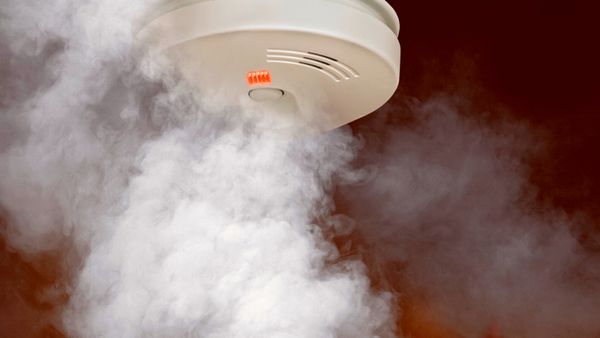
A smoke detector senses smoke particles in the air and sounds an alarm. Many units also send alerts to a monitored security system or a connected device. Smoke alarms are designed to warn people so they can leave the building and contact emergency services.
Common types include:
- Photoelectric detectors: Often respond quickly to slow, smouldering fires that produce visible smoke.
- Ionisation detectors: Designed to respond to certain fast-flaming fires. Their use and availability may vary by product and local requirements.
- Multi-sensor detectors: Combine more than one sensing method, or use additional sensors, to improve detection and reduce unwanted alarms.
What Is a Sprinkler System?
An automatic sprinkler system uses water to control a fire. In most systems, each sprinkler head operates independently when heat at that location reaches its activation temperature. A sprinkler head is not usually activated simply because a smoke detector sounds an alarm.
Sprinklers can limit fire growth, reduce heat and smoke, and help provide time for occupants to evacuate. They are not a substitute for smoke alarms, evacuation procedures or calling the fire service.
How the Systems Work Together
Smoke detectors and sprinklers serve separate functions. The detector identifies smoke and alerts people; the sprinkler responds to heat and delivers water near the fire. In some buildings, both systems are connected to a fire alarm control panel, which may also notify a monitoring service or activate other safety measures. The exact arrangement depends on the building design and applicable fire-safety requirements.
Because their triggers differ, a smoke alarm may sound before a sprinkler operates. This early warning can give occupants valuable time to evacuate while the sprinkler system responds to the developing fire.
Where Should They Be Installed?
Smoke alarms are generally recommended inside bedrooms, outside sleeping areas and on every level of a home. They should be installed and positioned in accordance with the manufacturer’s instructions and applicable local guidance. Avoid placing them where cooking fumes, steam or strong air movement may cause nuisance alarms.
Sprinkler systems require professional design. Head type, spacing, water supply, pressure, ceiling layout and building use all affect performance. Do not cover, paint, obstruct or move sprinkler heads. Keep storage and decorations clear of them.
Testing and Maintenance
- Test smoke alarms regularly using the test button, following the manufacturer’s instructions.
- Replace batteries or the complete unit when required. Follow the product’s stated service life.
- Keep detectors clean and free from dust, and investigate any fault or low-battery warning promptly.
- Have sprinkler systems inspected and maintained by qualified personnel according to the system design and applicable requirements.
- Ensure control valves remain in their required position and that sprinkler heads are unobstructed.
Choosing a Fire-Safety Solution
The right system depends on factors such as the building’s size, occupancy, layout and fire risk. Homes, offices, shops, warehouses and industrial premises may need different arrangements. A qualified fire-safety professional can assess the site, recommend suitable equipment and help ensure installation complies with applicable Indian standards, local regulations and fire-authority requirements.
Conclusion
A smoke detector and a sprinkler system are not interchangeable. Smoke detectors warn people; sprinklers help control a fire. Used together, correctly installed and regularly maintained, they provide stronger protection for occupants and property. For advice on a specific building, consult a qualified fire-safety professional.
7 Essential Safety Tips for Smoke Detectors and Fire Sprinklers
- Install smoke detectors on every floor and near bedrooms.
- Place detectors on ceilings, away from fans and vents.
- Test smoke detectors once a month.
- Replace detector batteries as recommended by the manufacturer.
- Keep sprinkler heads clear of paint, dust and stored items.
- Never hang decorations or clothes from sprinkler pipes.
- Get detectors and sprinklers inspected by a qualified professional.
Install smoke detectors on every floor and near bedrooms.
Install smoke detectors on every floor of your home, including the basement, and place them inside bedrooms and near sleeping areas. This helps provide an early warning wherever a fire may start, giving everyone more time to respond and evacuate safely. Follow the manufacturer’s installation instructions, and test the detectors regularly to ensure they are working properly.
Place detectors on ceilings, away from fans and vents.
Install smoke detectors on the ceiling, following the manufacturer’s instructions, and keep them away from ceiling fans, air-conditioning vents and other sources of moving air. Airflow can disperse smoke or direct it away from the sensor, potentially delaying detection. Also avoid corners and other unsuitable locations specified in the product guidance.
Test smoke detectors once a month.
Test your smoke detectors once a month to make sure they can alert you promptly in an emergency. Press the test button and follow the manufacturer’s instructions; if the alarm does not sound, replace the batteries or the unit as recommended. Keep detectors clean and unobstructed, and remember that smoke detectors provide an early warning, while sprinkler systems respond to heat and help control a fire.
Replace detector batteries as recommended by the manufacturer.
Replace smoke detector batteries as recommended by the manufacturer to help ensure the alarm works when needed. If the detector gives a low-battery warning, replace the battery promptly and test the unit afterwards. For sealed-battery models, replace the entire detector when its service life ends, following the manufacturer’s instructions.
Keep sprinkler heads clear of paint, dust and stored items.
Keep sprinkler heads clear of paint, dust and stored items to ensure they can operate properly during a fire. Paint or dust may affect the sprinkler’s performance, while boxes, furniture or decorations can obstruct the water spray. Avoid hanging items from sprinkler heads, and arrange for cleaning or maintenance to be carried out by a qualified professional.
Never hang decorations or clothes from sprinkler pipes.
Never hang decorations, clothes or other items from sprinkler pipes or sprinkler heads. The added weight may damage the system, while objects can obstruct water flow and reduce sprinkler coverage during a fire. Keep sprinkler heads clear and use suitable hooks or fixtures that are separate from the fire-protection system.
Get detectors and sprinklers inspected by a qualified professional.
Get your smoke detectors and sprinkler system inspected by a qualified professional at the recommended intervals. They can check that detectors operate correctly, sprinkler heads are clear and undamaged, and the system is ready to respond in an emergency. Regular professional inspections can help identify faults early and keep your fire-safety equipment reliable.