Video Intercom System: A Smarter Way to Manage Entry
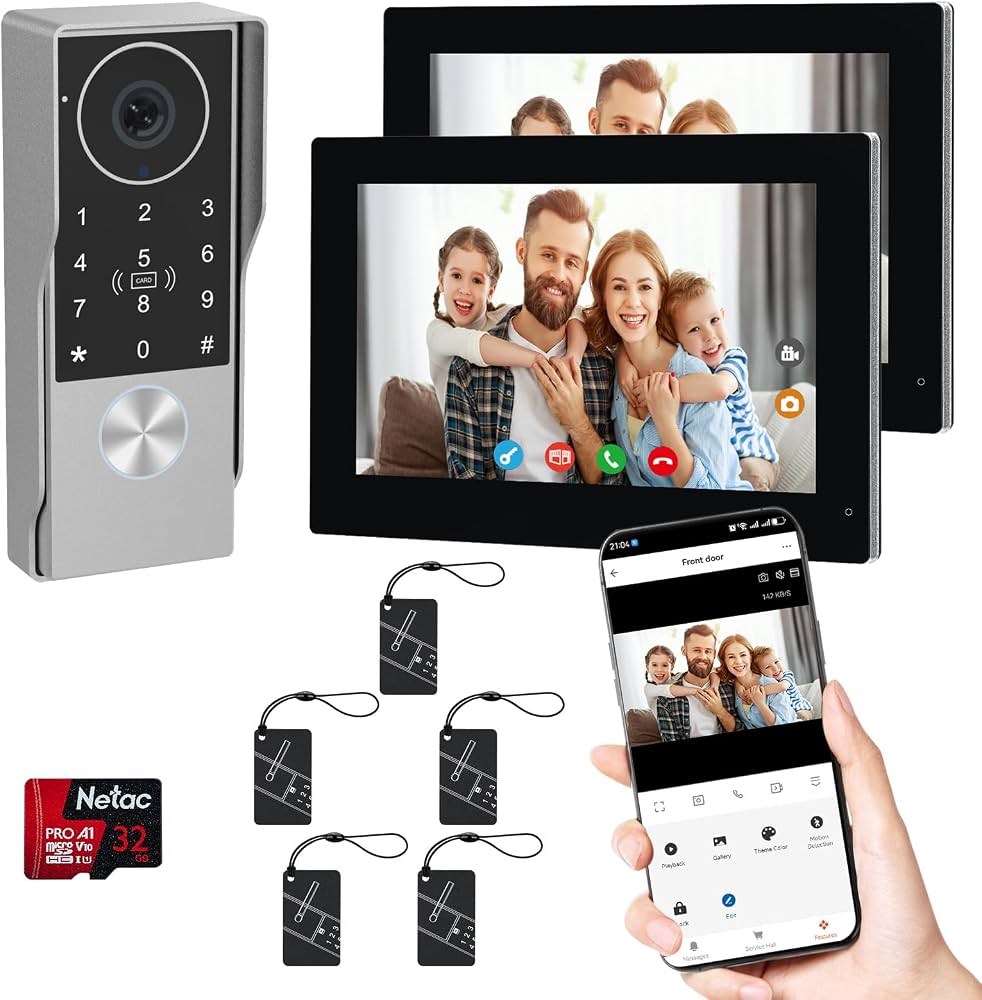
A video intercom system allows people inside a home, office or commercial building to see and speak with visitors before granting them access. Combining a camera, microphone, speaker and indoor monitor, it adds a visual layer to everyday communication and entry management.
What Is a Video Intercom System?
A video intercom system is an electronic communication system installed at an entrance and one or more indoor locations. When a visitor presses the call button, the system alerts the occupant. The occupant can view the visitor, speak with them and, where the system is connected to an electronic lock or access control device, unlock the door remotely.
Depending on the model, the indoor unit may be a dedicated screen, a desk phone or a mobile application. Some systems also support multiple entrances, indoor stations and security desks.
How Does It Work?
- Visitor calls: The visitor presses the call button on the outdoor panel.
- Occupant receives an alert: An indoor monitor, handset or connected mobile device rings.
- Video and audio connect: The occupant sees the visitor and speaks with them.
- Entry is managed: The occupant can decline the call or release the door remotely if the system is configured for access control.
Video and audio may travel over dedicated wiring or an internet protocol (IP) network. Wireless options are also available, though performance depends on the site layout, network coverage and product specifications.
Common Types of Video Intercom Systems
- Wired systems: Use cables to connect outdoor and indoor units. They are often considered for new construction or sites where reliable cabling can be installed.
- IP video intercoms: Communicate over a local network and may offer remote access, integration with other security systems and management across multiple locations.
- Wireless systems: Use wireless communication for some or all connections. They can suit locations where running cables is difficult, subject to suitable signal coverage.
- Smartphone-connected systems: Send calls and video to an authorised mobile application, allowing users to respond when away from the indoor monitor, where supported.
- Multi-apartment systems: Enable visitors to call a particular flat, office or reception point from a shared entrance panel.
Key Benefits
- Visual visitor verification: See who is at the entrance before deciding whether to let them in.
- Convenient communication: Speak with visitors without walking to the entrance.
- Controlled access: Connect the intercom to compatible electric locks or access control equipment to manage entry from indoors.
- Support for multiple users: Larger systems can route calls to different flats, departments or security points.
- Remote response: Some models allow authorised users to answer calls through a mobile application, depending on connectivity and system features.
- Improved visitor handling: Reception teams and facility managers can use intercoms to communicate with visitors and coordinate access.
Where Are Video Intercoms Used?
Video intercom systems are suitable for a wide range of properties, including:
- Independent homes and residential complexes
- Apartment buildings and gated communities
- Offices and corporate premises
- Shops, clinics and educational institutions
- Warehouses, factories and other controlled-access facilities
Choosing the Right System
Before selecting a video intercom, consider the number of entrances, indoor stations and users. Check whether the site needs a simple point-to-point system or a networked solution for multiple buildings or departments. Other factors include:
- Image and audio quality: Choose equipment suited to the lighting, noise levels and viewing distance at the entrance.
- Connectivity: Confirm whether the system uses dedicated wiring, an IP network or wireless communication, and whether the existing infrastructure is suitable.
- Access control integration: If remote door release is required, check compatibility with the door lock and access control equipment.
- Power backup: Consider how the system will operate during a power interruption and whether backup power is needed.
- Privacy and security: Use strong passwords, restrict access to authorised users and keep network-connected equipment updated.
- Installation and maintenance: Plan for professional installation, routine checks and support for the chosen system.
Installation and Maintenance
Correct placement of the outdoor camera is important for a clear view of visitors. Installers should also consider weather protection, lighting, cable routes, network coverage and the position of indoor monitors. Where the intercom controls an electric lock, the door-release function should be tested as part of commissioning.
Regularly clean the camera lens and call panel, check that audio and video are working, and inspect connections and power supplies. For networked systems, review user access and update software or firmware in line with the manufacturer’s guidance.
Conclusion
A video intercom system combines visitor communication with visual verification, helping homes and organisations manage entry more conveniently. The right solution depends on the property, the number of users, the available infrastructure and the level of integration required. Careful selection and professional installation can help ensure that the system meets the site’s day-to-day needs.
Video Intercom Systems: FAQs on Costs, Benefits and the Best Options for Your Home
- How much does it cost to install a video intercom system?
- What is the best home video intercom system?
- What are the benefits of video intercom systems?
- What is video intercom systems?
- Which intercom system is best?
How much does it cost to install a video intercom system?
The cost of installing a video intercom system in India depends on the type of system, the number of entrances and indoor monitors, the wiring or network requirements, and whether it needs to connect with an electric lock or access control system. A basic setup for a single entrance will generally cost less than an IP-based or multi-apartment system with mobile access and multiple stations. Site conditions, equipment quality and installation work can also affect the final price. For an accurate estimate, request a site assessment and a detailed quotation covering equipment, installation and any ongoing maintenance.
What is the best home video intercom system?
The best home video intercom system is one that suits your entrance, household needs and budget. Look for clear day-and-night video, reliable two-way audio, easy-to-use indoor controls, and compatibility with your door lock if you want to release the door remotely. Smartphone access, recording, multiple indoor monitors and weather-resistant outdoor equipment can also be useful features. Before choosing, check the system’s wiring or Wi-Fi requirements, privacy and security settings, warranty, and availability of installation and after-sales support.
What are the benefits of video intercom systems?
Video intercom systems let you see and speak with visitors before allowing them into your home or premises, helping you make informed decisions about entry. They offer convenient communication without having to go to the door and, when connected to a compatible electric lock or access control system, can allow authorised users to release the door remotely. Some models also support calls to mobile devices, multiple indoor stations and shared entrances, making them useful for homes, apartments, offices and commercial buildings.
What is video intercom systems?
A video intercom system is an electronic communication system that lets occupants see and speak with visitors at an entrance before deciding whether to grant access. It typically includes an outdoor camera and call panel, an indoor monitor or handset, and, in some installations, a connection to an electric door lock for remote release. Depending on the model, it may use wired, wireless or IP network connections and can support one home, several flats or a larger workplace.
Which intercom system is best?
The best intercom system depends on the property and its security needs. For most homes and offices, a video intercom with clear two-way audio, reliable night-time viewing and an option to connect to an electric door lock is a practical choice. Multi-apartment buildings may benefit from an IP-based system that supports several entrances and indoor stations, while a wireless model can suit locations where installing cables is difficult. Consider compatibility, network coverage, privacy features, installation and after-sales support before choosing.