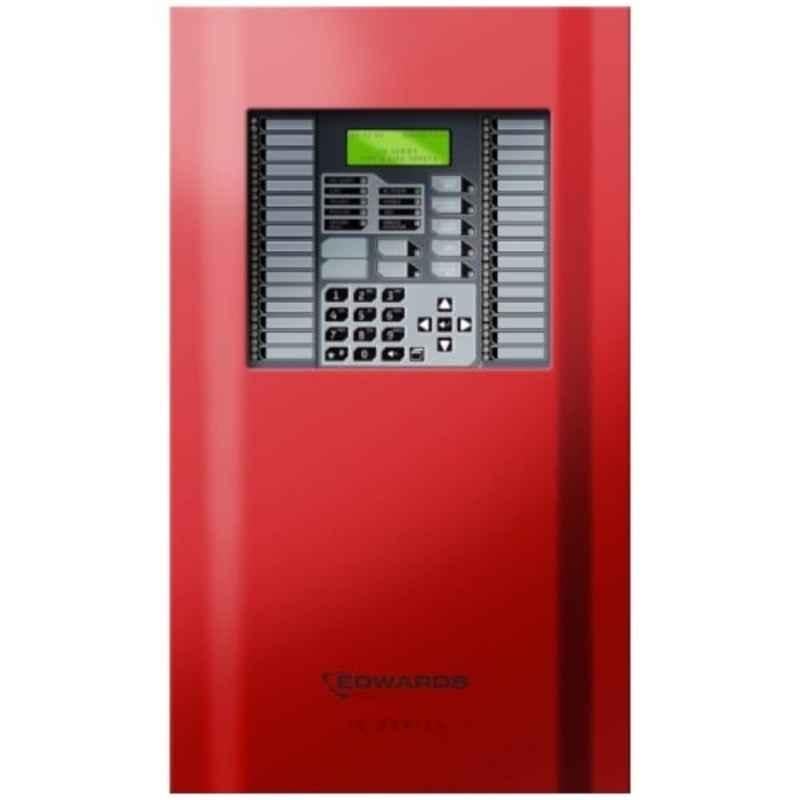
Edwards Fire Alarm Systems: An Overview
Fire alarm systems play an important role in protecting people, property and business operations. Edwards is a fire and life-safety brand known for systems used in commercial, industrial, institutional and other buildings. Depending on the product range and installation, an Edwards system can detect signs of fire, alert occupants and communicate an alarm or fault condition to designated personnel.
This article explains the main features of Edwards fire alarm systems, their typical components and key points to consider when planning an installation in India.
What Is an Edwards Fire Alarm System?
An Edwards fire alarm system is a combination of equipment designed to identify potential fire conditions and initiate appropriate alerts. The system may be conventional or addressable, depending on the building’s size, layout and requirements.
In a conventional system, detectors and manual call points are connected in zones. When an alarm occurs, the panel identifies the affected zone. An addressable system assigns an identity to each compatible device, allowing the fire alarm control panel to show the individual device or location reporting an alarm or fault.
Edwards offers different product families and configurations. Features, compatibility and approvals vary by model and region, so the system should be selected with reference to current manufacturer documentation and local requirements.
Common System Components
- Fire alarm control panel: Monitors connected devices, displays system status and operates alarm outputs.
- Smoke and heat detectors: Detect signs of fire, such as smoke or a rise in temperature. The appropriate detector depends on the environment and expected fire risks.
- Manual call points: Allow a person to raise an alarm manually when a fire is discovered.
- Sounders and visual indicators: Alert occupants through audible and, where required, visual signals.
- Input and output modules: Enable compatible systems to monitor external equipment or trigger specified actions, such as releasing a door holder or sending a signal to another system.
- Power supply and standby batteries: Help keep the system operational during a mains power interruption, in line with the system design.
- Communications and monitoring equipment: May transmit alarm or fault information to a monitoring point, where supported and properly configured.
Addressable and Conventional Options
Addressable systems
Addressable fire alarm systems are often considered for larger or more complex buildings. Because each device has an individual address, the control panel can provide more specific information about where an alarm or fault has occurred. This can help trained staff investigate an event and support maintenance activities.
Conventional systems
Conventional systems can be suitable for smaller or simpler premises where identifying the affected zone is sufficient. They divide the building into zones, with devices in each zone connected to the control panel. The final choice depends on the building’s design, risk assessment, applicable regulations and operational needs.
Potential Benefits
When correctly selected, installed and maintained, an Edwards fire alarm system can support a building’s fire-safety plan by providing:
- Early warning of potential fire conditions.
- Clear alarm and fault information at the control panel.
- Audible and visual alerts for occupants, according to the design.
- Options to interface with other building systems, where compatible and permitted.
- Expandable configurations for some building types and system ranges.
System performance depends on the design, product compatibility, installation quality, commissioning and ongoing maintenance. A fire alarm system is not a substitute for evacuation planning, staff training or other required fire-protection measures.
Where Are Edwards Fire Alarm Systems Used?
Depending on the specific system and its approvals, Edwards products may be considered for settings such as offices, educational facilities, healthcare premises, hotels, retail buildings, warehouses and industrial sites. Each location has different risks. For example, a dusty production area, a kitchen and a server room may require different detector types and placement strategies.
Planning an Installation in India
Before choosing a system, assess the building’s use, floor area, occupancy, fire risks and evacuation arrangements. The design should be reviewed by qualified fire-safety professionals and should meet applicable Indian regulations, fire authority requirements, relevant standards and project specifications.
Consider the following during planning:
- Whether an addressable or conventional system is appropriate.
- Detector type and positioning for each area.
- Alarm audibility and visibility throughout occupied spaces.
- Required standby power and system autonomy.
- Interfaces with equipment such as lifts, access-control systems, HVAC or fire suppression, where required.
- Device and panel compatibility across the proposed system.
- Testing, documentation, training and maintenance arrangements.
Do not assume that products approved for one country or project are automatically suitable for another. Confirm the applicable certifications, approvals and installation requirements for the exact model being proposed.
Installation, Commissioning and Maintenance
Fire alarm equipment should be installed and commissioned by competent personnel following the manufacturer’s instructions and the approved design. Commissioning typically includes checking device addressing or zoning, wiring, power supplies, alarm outputs, interfaces and fault reporting. The responsible building team should receive clear operating instructions and records of the completed work.
Routine inspection and testing are essential. The maintenance schedule should follow local requirements, manufacturer guidance and the building’s fire-safety plan. Any changes to the building or connected systems should be assessed to determine whether the fire alarm design needs updating.
Choosing the Right Edwards System
The right solution depends on the specific building—not just the brand or panel. Ask a qualified supplier or fire-safety consultant to confirm the system’s capacity, device compatibility, approvals, expansion options, service support and spare-parts availability. Request a documented design and ensure that the proposed equipment is suitable for the building and its operating conditions.
Conclusion
Edwards fire alarm systems offer configurable options for detecting fire conditions and alerting building occupants. A safe and effective installation depends on selecting the correct products, designing the system for the site, using qualified installers and maintaining it regularly. For projects in India, verify the requirements with the relevant authorities and consult current product documentation before procurement or installation.
Edwards Fire Alarm Systems: 8 FAQs on Pricing, Detectors, Indian Distributors and More
- What is the price of Edwards fire alarm?
- What is the Edwards addressable smoke detector?
- What is an Edwards signal?
- Who are the distributors of Edwards fire alarm systems in India?
- Where is Edwards fire alarm manufactured?
- What is Edwards system?
- What are the key differences between Silent Knight and EST Edwards fire alarm systems?
- What are the 4 main types of fire alarm systems?
What is the price of Edwards fire alarm?
The price of an Edwards fire alarm system varies according to the model, system type (conventional or addressable), number and type of detectors, control panel capacity, accessories, installation and commissioning requirements. Building size, site conditions and applicable approvals can also affect the total cost. For an accurate quotation, share your project details with an authorised supplier or qualified fire-safety professional, and confirm that the proposed equipment is compatible with your requirements and local regulations.
What is the Edwards addressable smoke detector?
An Edwards addressable smoke detector is a fire alarm device that detects smoke and communicates its status to a compatible Edwards addressable fire alarm control panel. Unlike a conventional detector that reports an alarm for an entire zone, an addressable detector has an individual identity, helping the panel indicate the specific device or location involved. The exact features and compatibility depend on the detector model, so it should be selected, installed and maintained in accordance with the manufacturer’s instructions and applicable fire-safety requirements.
What is an Edwards signal?
An Edwards signal is an indication generated or transmitted by an Edwards fire alarm system to show its status or a detected event. Depending on the system and configuration, it may indicate a fire alarm, a fault or trouble condition, or a supervisory condition, and may activate connected sounders, visual alarms or monitoring equipment. The exact meaning depends on the panel, device and system settings.
Who are the distributors of Edwards fire alarm systems in India?
The distributors of Edwards fire alarm systems in India may vary by location and product range. For the latest authorised-distributor details, contact Edwards or its parent company, Carrier, through their official website, or ask a local fire-safety provider to confirm its authorisation for the specific products you require. Before purchasing, verify product compatibility, applicable approvals, warranty and after-sales support.
Where is Edwards fire alarm manufactured?
Edwards fire alarm systems are associated with Edwards, a fire-safety brand with roots in the United States. However, manufacturing locations can vary by product, model and production period, so not every Edwards component is necessarily made in the same country. For a specific panel or device, check its product label, packaging or current manufacturer documentation for the country of origin.
What is Edwards system?
An Edwards system is a fire alarm and life-safety solution designed to detect potential fire conditions and alert building occupants. Depending on the model and building requirements, it may use smoke or heat detectors, manual call points, sounders and a control panel to identify alarms and system faults. Edwards systems are available in different configurations, including conventional and addressable options; the right choice depends on the site, applicable Indian regulations and a qualified fire-safety assessment.
What are the key differences between Silent Knight and EST Edwards fire alarm systems?
Silent Knight and EST Edwards are fire alarm system brands with different product ranges, panel capacities, device compatibility and software features; the right choice depends on the building and project requirements. Silent Knight systems are often considered for small to medium-sized premises, while EST Edwards offers a broad range of solutions for applications that may include larger or more complex sites. However, capabilities vary by model, and neither brand should be chosen on generalisations alone. Compare the specific panels and devices for capacity, addressable features, integration needs, approvals, service support, spare-parts availability and lifecycle cost. In India, confirm that the proposed equipment and design meet applicable local regulations and project specifications, and have a qualified fire-safety professional assess the site before selection.
What are the 4 main types of fire alarm systems?
The four main types of fire alarm systems are generally **conventional, addressable, intelligent (analogue addressable) and wireless**. A conventional system identifies the zone where an alarm has occurred, while an addressable system identifies the specific device. Intelligent systems analyse detector information to help distinguish a potential fire from certain nuisance conditions, and wireless systems connect devices by radio rather than relying entirely on wired connections. The exact terminology and available options may vary by manufacturer and Edwards product range, so the system should be selected for the building’s needs and applicable fire-safety requirements.