Biometric Door Access Control System: A Smarter Way to Secure Your Premises
A biometric door access control system uses a person’s unique physical or behavioural characteristics to verify their identity before allowing entry. Instead of relying only on keys, cards or PINs, it can use fingerprints, facial features, iris patterns or other biometric credentials to control access to doors and restricted areas.
As businesses, institutions and residential communities look for more effective ways to manage entry, biometric access control has become an important part of modern security planning. When selected and installed appropriately, it can help improve access management, support accountability and make everyday entry more convenient.
How Does a Biometric Door Access Control System Work?
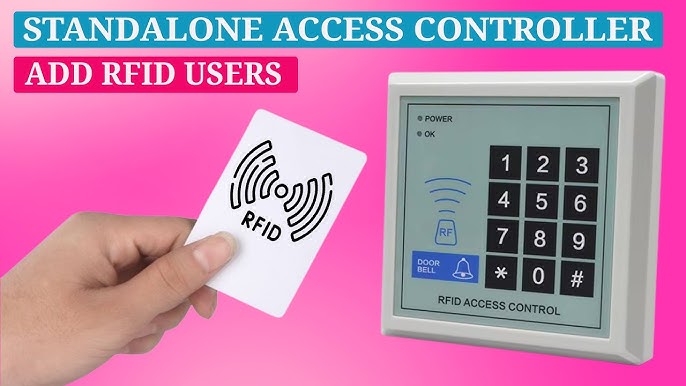
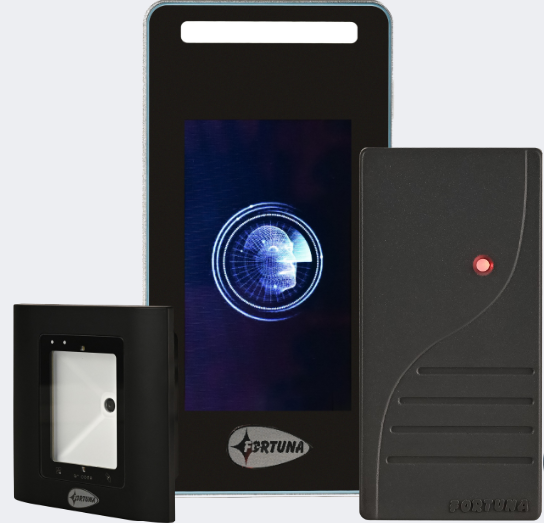
A typical system includes a biometric reader, a controller, an electronic lock and access management software. During enrolment, an authorised user’s biometric information is captured and converted into a digital template. When that person seeks entry, the reader compares a fresh scan with the enrolled template.
If the system verifies the user and confirms that they have permission to enter at that time, the controller signals the electronic lock to open. Access permissions can usually be configured for specific doors, users and time periods. For example, staff may be authorised to enter an office during working hours, while access to a server room may be limited to a smaller group.
Common Types of Biometric Access
- Fingerprint recognition: A widely used option for offices and other premises. It is compact and straightforward to use, although performance can be affected by dirty, wet or worn fingers.
- Facial recognition: Identifies users based on facial features. Depending on the reader, entry may be touch-free, which can be useful in busy locations.
- Iris recognition: Uses the distinctive patterns in the iris. It can provide a high level of identity verification, but equipment and installation requirements should be considered.
- Palm or vein recognition: Reads features of the palm or the pattern of veins beneath the skin. These systems may be suited to locations with specific security or hygiene needs.
- Multi-factor access: Combines biometrics with another credential, such as a PIN card or mobile credential, for an additional verification step.
Key Benefits
- Reduced dependence on keys and cards: Users do not need to carry a physical key or access card, and there are fewer credentials to issue, replace or recover.
- Controlled access: Permissions can be assigned according to a person’s role, department or access schedule.
- Improved visibility: Many systems record entry events, helping authorised administrators review access activity when required.
- Convenience: Users can gain entry using an enrolled biometric credential rather than remembering a PIN or searching for a card.
- Flexible administration: Access rights can be updated when staff roles change or a person leaves the organisation.
- Integration options: Depending on the equipment, access control may be integrated with CCTV, alarm systems, visitor management or time and attendance software.
Where Can These Systems Be Used?
Biometric door access control can be considered for offices, factories, warehouses, schools, healthcare facilities, residential communities and other premises where access needs to be managed. It is particularly useful for areas with different levels of restriction, such as records rooms, laboratories, control rooms, data centres and stockrooms.
The right solution depends on the number of users, the number of doors, the required security level, the environment and the way people move through the premises. A busy entrance, for example, may need a reader that can process users quickly, while a restricted room may require stronger verification or an additional credential.
What to Consider Before Choosing a System
- Type of premises: Consider whether the reader will be used indoors or outdoors and whether it may be exposed to dust, moisture, heat or heavy use.
- Verification speed and capacity: Check that the system can support the expected number of users and manage peak entry periods efficiently.
- Door and lock compatibility: Confirm that the access controller and electronic locking hardware are suitable for the doors and the required entry and exit arrangements.
- Backup arrangements: Ask how the system behaves during a power or network failure. Options may include battery backup, local operation and an approved alternative method of entry.
- Integration requirements: Identify whether the system needs to connect with CCTV, alarms, visitor management or existing security infrastructure.
- Privacy and data protection: Biometric information is sensitive personal data. Understand how it is collected, stored, protected, accessed and deleted, and establish clear policies for its use.
- Support and maintenance: Check the availability of technical support, software updates, replacement parts and routine servicing.
Installation and Ongoing Maintenance
Correct installation is essential for reliable operation. A site assessment can help determine reader locations, cabling routes, door hardware requirements, user capacity and emergency exit arrangements. Users should be enrolled carefully, and administrators should receive guidance on managing permissions and reviewing system activity.
Regular maintenance may include cleaning readers, checking locks and door sensors, testing backup power, reviewing software updates and verifying that access permissions remain current. It is also sensible to test emergency procedures periodically and ensure that the system does not obstruct safe exit from the premises.
Conclusion
A biometric door access control system can provide a practical way to manage entry without relying solely on conventional keys or cards. The best system is one that fits the premises, works reliably for its users and handles biometric information responsibly. Careful planning, professional installation and regular maintenance help ensure that the system supports both security and day-to-day operations.
9 Key Benefits of a Biometric Door Access Control System
- Reduces reliance on keys and access cards.
- Provides quick, convenient entry.
- Helps prevent unauthorised access.
- Assigns access by user, door and schedule.
- Makes lost-card replacement less of a concern.
- Records entry activity for review.
- Allows access permissions to be updated easily.
- Can integrate with CCTV and alarm systems.
- Supports controlled access to restricted areas.
7 Disadvantages of Biometric Door Access Control Systems
- Higher upfront cost than traditional locks.
- Biometric data requires careful protection.
- Readers may fail to recognise some users.
- Wet or dirty fingers can affect fingerprint scans.
- Power or network failures may disrupt access.
- Installation and maintenance need skilled support.
- Users may have privacy concerns.
Reduces reliance on keys and access cards.
A biometric door access control system reduces reliance on physical keys and access cards by allowing authorised users to enter with a fingerprint, facial scan or another biometric credential. This means fewer cards or keys to issue, carry, replace or collect when someone leaves the organisation. It can also reduce the risk of entry credentials being lost, shared or copied, while making everyday access more convenient for staff and visitors.
Provides quick, convenient entry.
A biometric door access control system provides quick, convenient entry by allowing authorised users to unlock a door with a fingerprint or facial scan. There is no need to search for keys, carry an access card or remember a PIN, helping people move through busy entrances more easily. This can save time for staff and visitors while keeping access restricted to approved users.
Helps prevent unauthorised access.
A biometric door access control system helps prevent unauthorised access by verifying a person’s unique biometric feature, such as a fingerprint or facial pattern, before unlocking the door. Access can be restricted to enrolled users and tailored to specific doors or time periods. This makes it harder for unauthorised individuals to enter using a misplaced key, borrowed card or shared PIN, helping protect restricted areas and valuable assets.
Assigns access by user, door and schedule.
A biometric door access control system lets administrators assign permissions to individual users, specific doors and set schedules. For example, employees can be authorised to enter designated areas during working hours, while access to sensitive rooms can be limited to selected personnel. These permissions can be updated when roles or schedules change, helping organisations manage entry more precisely and efficiently.
Makes lost-card replacement less of a concern.
With a biometric door access control system, authorised users can gain entry using a registered fingerprint or facial scan, reducing dependence on physical access cards. If a card is misplaced, there is no need to issue a replacement simply to restore access. This can make lost-card replacement less of a concern and help reduce the time and administration involved in managing access credentials. Biometric data should, however, be handled securely and in accordance with applicable privacy requirements.
Records entry activity for review.
A biometric door access control system can record when authorised users enter specific doors or restricted areas. These logs may include the user’s identity, the access point and the time of entry, helping authorised administrators review activity, investigate incidents and check whether access permissions are being used appropriately. Access to these records should be limited to authorised personnel and managed in line with applicable privacy and data protection requirements.
Allows access permissions to be updated easily.
One of the key advantages of a biometric door access control system is that access permissions can be updated easily. An authorised administrator can grant, change or revoke a user’s entry rights through the system, without collecting keys or replacing access cards. This is useful when employees change roles, visitors need temporary access or a person leaves the organisation. Updating permissions promptly helps ensure that people can enter only the areas they are authorised to access.
Can integrate with CCTV and alarm systems.
A biometric door access control system can integrate with CCTV and alarm systems to create a more connected security setup. When access is granted or denied, the system can trigger or link to relevant camera footage, helping authorised personnel review events and verify who approached a door. It can also work with alarms to flag unauthorised entry attempts or other security incidents, supporting faster responses and more effective monitoring across the premises.
Supports controlled access to restricted areas.
Biometric door access control systems help organisations restrict entry to sensitive areas such as server rooms, laboratories, records rooms and stockrooms. Access can be granted only to enrolled users with the appropriate permissions, based on their role or approved schedule. This makes it easier to manage who can enter restricted spaces and update access rights when responsibilities change.
Higher upfront cost than traditional locks.
Biometric door access control systems generally involve a higher upfront cost than traditional locks. The initial investment may include biometric readers, access controllers, electronic locks, software, installation and user enrolment. For premises with several entry points, these costs can add up. Businesses should also consider ongoing expenses such as maintenance, system updates and technical support when deciding whether a biometric solution suits their security needs and budget.
Biometric data requires careful protection.
Biometric data requires careful protection because fingerprints, facial features and other identifiers are sensitive personal information that cannot be changed easily if compromised. Organisations should use secure storage and encryption, restrict access to authorised personnel, and follow applicable privacy and data-protection requirements. Clear policies should explain how the data is collected, used, retained and deleted, helping protect users’ privacy and maintain their trust.
Readers may fail to recognise some users.
Biometric readers may occasionally fail to recognise an authorised user, even when their details have been enrolled. Factors such as wet, dirty or worn fingerprints, changes in appearance, poor lighting, incorrect positioning or a poorly maintained reader can affect verification. This may delay entry and cause inconvenience, particularly at busy doors. To reduce disruption, organisations should choose suitable equipment, keep readers clean, maintain accurate user records and provide a secure alternative access method for genuine users who cannot be verified.
Wet or dirty fingers can affect fingerprint scans.
Fingerprint readers may not work reliably when a user’s finger is wet, oily or dirty, as moisture and debris can make it harder for the sensor to capture a clear scan. This may lead to repeated attempts, slower entry or the need to use an alternative access method. Regularly cleaning the reader and keeping fingers dry can help reduce scanning issues.
Power or network failures may disrupt access.
One limitation of a biometric door access control system is that power or network failures can disrupt normal access. If the reader, controller or electronic lock loses power, authorised users may be unable to enter unless backup arrangements are in place. Network outages can also affect systems that rely on a central server to verify credentials or update permissions. To reduce disruption, consider battery backup, local operation, an approved alternative entry method and a clear emergency access plan.
Installation and maintenance need skilled support.
Biometric door access control systems require skilled support for installation, configuration and ongoing maintenance. Readers must be positioned and connected correctly, and the software needs to be set up to suit the premises and access rules. If the system develops a fault, needs an update or must be integrated with other security equipment, trained technicians may be required. This can increase service costs and cause delays, particularly where specialist support is not readily available.
Users may have privacy concerns.
Privacy concerns: Biometric door access control systems collect sensitive personal information, such as fingerprints or facial data, which may make some users uncomfortable. People may worry about how their information is stored, who can access it, how long it is retained and whether it could be misused or exposed in a data breach. Clear communication, secure data handling and transparent privacy policies can help address these concerns and build users’ confidence.