Fire Alarm Indicator: What It Is, How It Works and Why It Matters
A fire alarm indicator helps people quickly understand the status of a fire detection system. It may be a light on a fire alarm control panel, a remote indicator lamp near a detector, or a display showing the location of an alarm. By making system information visible, fire alarm indicators support a faster and more organised response to a potential fire.
What is a fire alarm indicator?
The term “fire alarm indicator” is used for devices that visually show information from a fire alarm system. The exact function depends on the type of indicator:
- Control panel indicators: LEDs or a display on the fire alarm control panel show whether the system is in normal, alarm, fault or supervisory condition.
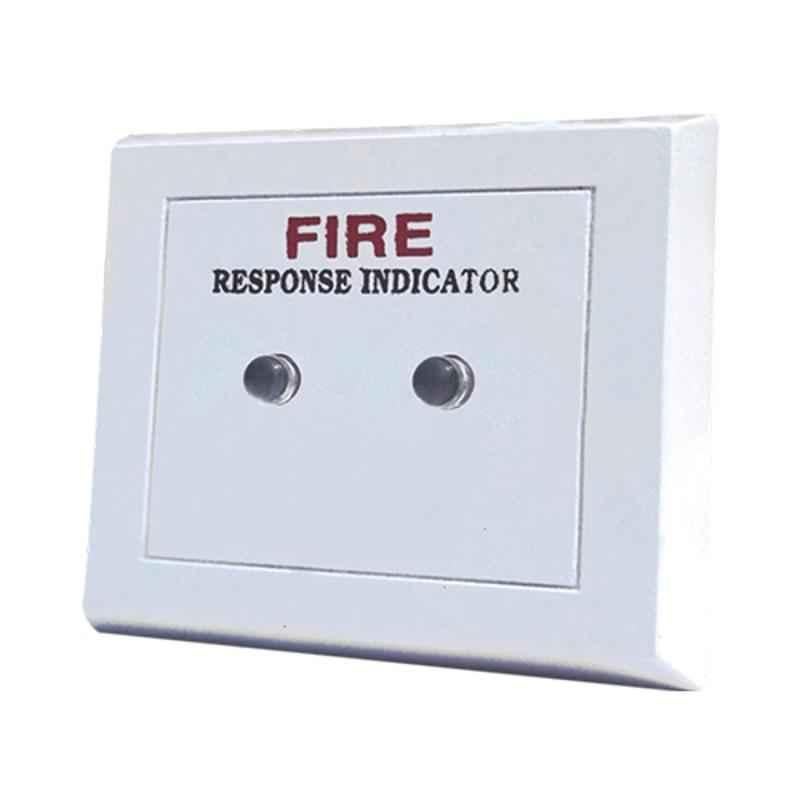
- Remote indicator lamps: These are installed away from the control panel, often outside a room or above an entrance. They help identify which detector has activated, particularly when the detector is difficult to see.
- Zone or address displays: These identify the affected zone or, in addressable systems, may show the location or device that reported an alarm.
How does it work?
Fire detectors monitor conditions such as smoke, heat or flame, depending on the device type. When a detector senses a condition that meets its alarm threshold, it sends a signal to the fire alarm control panel. The panel then activates the relevant visual indicators and, where configured, audible alarms and other connected outputs.
A remote indicator lamp is typically linked to a detector or circuit. When that detector operates, the lamp illuminates, helping staff or emergency responders identify the source without needing to search every room or ceiling space.
Common fire alarm indicator signals
Indicator colours and display messages can vary by manufacturer and system design. Always follow the product documentation and the building’s fire safety procedures. Common panel indications include:
- Power or normal: Shows that the panel is receiving power and the system is operating normally.
- Fire alarm: Indicates that a detector, manual call point or other initiating device has reported an alarm.
- Fault: Signals a problem, such as a wiring issue, device fault, power supply issue or communication failure.
- Isolate or disable: Shows that part of the system has been intentionally taken out of service.
- Supervisory condition: On systems designed to monitor related equipment, this may indicate an abnormal condition that requires attention.
An indicator is not a substitute for investigating an alarm safely. Occupants should follow the site’s evacuation plan and instructions from authorised personnel. A suspected fire should be treated seriously, even if the cause is not immediately visible.
Where are remote indicators used?
Remote fire alarm indicators are useful when a detector is installed in a space that is difficult to inspect. Examples include:
- Rooms with access controlled by key or restricted entry
- Ceiling voids and concealed spaces
- Plant rooms and service areas
- Cold rooms or other specialist environments
- Rooms where a detector cannot be seen from the corridor
Placing an indicator outside the relevant room can make it easier to locate the detector that has activated, reducing delays during inspection and response.
Benefits of a well-designed indicator system
- Faster identification: Clear indications can help staff locate the alarm or fault more quickly.
- Better awareness: Visual signals make system status easier to understand at the control panel and other designated locations.
- More efficient response: Zone or device information can help authorised personnel follow the correct response procedure.
- Support for maintenance: Fault indications can help technicians identify issues that need investigation.
Installation and maintenance considerations
Fire alarm indicators should be selected and installed as part of a properly designed fire detection and alarm system. Their location, visibility, wiring, labelling and compatibility with the control panel should be considered during design. Indicators must not obstruct escape routes or create confusion with other building signals.
Regular inspection and testing are important. Checks should be carried out by competent personnel in line with the system manufacturer’s instructions, the building’s maintenance plan and applicable Indian requirements. Any fault, damaged indicator or disabled circuit should be investigated promptly, and temporary safety measures may be needed while part of the system is unavailable.
Choosing the right fire alarm indicator
The appropriate indicator depends on the building layout, detector type, fire alarm system architecture and the information users need during an alarm. Before selecting equipment, consider:
- Whether the system is conventional or addressable
- Whether a panel display, remote lamp or both are required
- Visibility and accessibility at the proposed location
- Compatibility with the existing control panel and devices
- Environmental conditions, such as dust, moisture or temperature
- Applicable fire safety rules and project specifications
Conclusion
A fire alarm indicator is a small but important part of a building’s fire safety system. It communicates system status, helps identify alarms and faults, and can assist authorised personnel in responding efficiently. For reliable performance, indicators should be correctly specified, professionally installed and regularly tested as part of the complete fire alarm system.
Fire Alarm Indicators: 6 Frequently Asked Questions
- What is a fire alarm indicator and what does it do?
- What do the different lights on a fire alarm indicator mean?
- Where should a remote fire alarm indicator be installed?
- How does a fire alarm indicator identify which detector has activated?
- What should I do if a fire alarm indicator shows a fault?
- How often should fire alarm indicators be inspected and tested?
What is a fire alarm indicator and what does it do?
A fire alarm indicator is a visual signal—such as a light, LED or display—that shows the status of a fire alarm system. It can indicate that the system is operating normally, that a detector or manual call point has triggered an alarm, or that a fault needs attention. Some remote indicators also help staff identify the room or area where a detector has activated, supporting a quicker response. Follow the building’s fire safety procedures whenever an alarm is indicated.
What do the different lights on a fire alarm indicator mean?
The lights on a fire alarm indicator show the system’s status, but their meanings can vary by manufacturer and model. Commonly, a green light indicates normal operation or power, a red light signals a fire alarm, and an amber or yellow light indicates a fault, disablement or other condition needing attention. Some indicators may also use flashing lights or display messages to identify a specific zone or device. Always check the panel label and manufacturer’s instructions, and follow the building’s fire safety procedure if an alarm or fault appears.
Where should a remote fire alarm indicator be installed?
A remote fire alarm indicator should be installed in a clearly visible location near the entrance to the room or area monitored by a detector, especially when the detector is concealed or difficult to access, such as in a ceiling void, plant room or locked space. This helps staff and responders identify which area has triggered the alarm without delay. Its position should follow the fire alarm system design, manufacturer’s instructions and applicable Indian fire safety requirements, and it should not obstruct access or escape routes.
How does a fire alarm indicator identify which detector has activated?
A fire alarm indicator identifies an activated detector by showing the information sent to the fire alarm control panel. In an addressable system, each detector has a unique address, so the panel can display its specific location or device number, and a linked remote indicator may illuminate near the room or area. In a conventional system, the panel generally identifies the alarm zone rather than the individual detector, while a remote indicator lamp can help locate a detector in a concealed or hard-to-access space.
What should I do if a fire alarm indicator shows a fault?
If a fire alarm indicator shows a fault, do not ignore or disable it. Note the message or zone displayed, inform the building’s responsible person or facilities team, and arrange for a qualified fire alarm technician to investigate promptly. Follow your site’s fire safety procedures, and treat any separate fire alarm signal as an emergency. If part of the system is out of service, the responsible person should assess the risk and arrange suitable temporary precautions until repairs are completed.
How often should fire alarm indicators be inspected and tested?
Fire alarm indicators should be checked routinely as part of the building’s fire alarm maintenance programme, with formal testing carried out at intervals specified by the system manufacturer, applicable Indian requirements and the site’s fire safety plan. The frequency may vary depending on the type of system and building, so inspections and tests should be completed by competent personnel and recorded. Any damaged, unclear or non-working indicator, or any fault shown on the control panel, should be reported and addressed promptly.