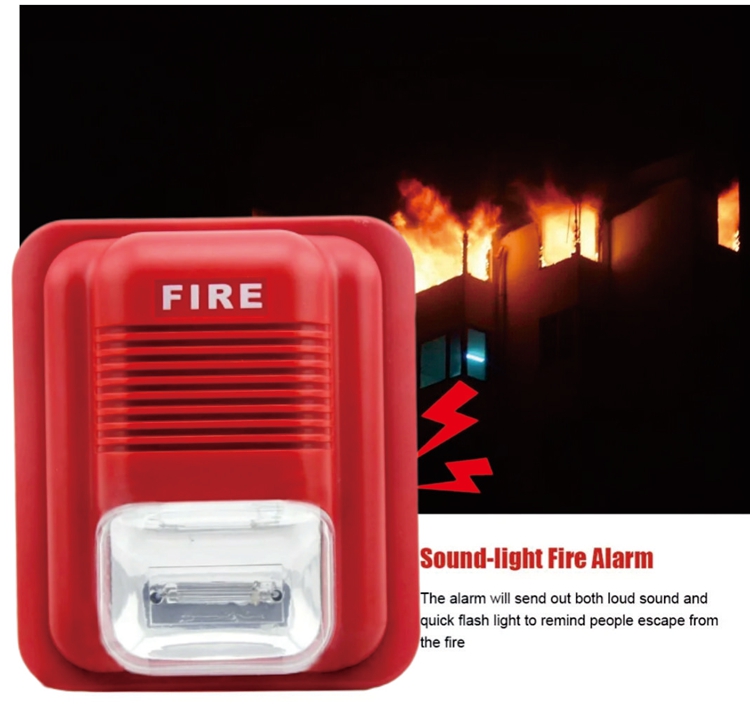
Fire Alarm Siren: An Essential Part of Building Fire Safety
A fire alarm siren is an audible warning device that alerts people to a possible fire or other emergency. When connected to a fire alarm system, it sounds when the system detects signs such as smoke or heat, or when someone activates a manual call point. The clear, attention-grabbing sound helps occupants recognise an alarm and begin following the building’s evacuation procedure.
How Does a Fire Alarm Siren Work?
A fire alarm system typically includes detectors, manual call points, a control panel and notification devices such as sirens, sounders or bells. When a detector senses a possible fire, or a call point is operated, it sends a signal to the control panel. The panel then activates the configured warning devices.
Depending on the system design, an alarm may sound throughout the premises or only in a particular zone. Some systems also use visual alarms, such as flashing beacons, to help alert people who may not hear the siren clearly.
Why Is a Fire Alarm Siren Important?
- Provides an early warning: It alerts occupants so they can respond promptly.
- Supports evacuation: A recognisable alarm can prompt people to leave by designated escape routes.
- Helps alert people across a building: Correctly selected and positioned sounders can make the warning audible in different areas.
- Can integrate with other systems: Depending on the design, the fire alarm system may interact with equipment such as fire doors, lifts or public address systems.
Types of Fire Alarm Sounders
Fire alarm sounders are available in different designs to suit the building, its occupants and the surrounding environment. Common options include:
- Electronic sounders: Produce an alarm tone and are commonly used in commercial and residential buildings.
- Alarm bells: Use a mechanical ringing sound and may be suitable for certain installations.
- Combined sounder and beacon units: Provide both audible and visual notification.
- Voice alarm systems: Use spoken messages to provide instructions, where appropriate for the building and system design.
- Weather-resistant sounders: Designed for specific outdoor or demanding environments, subject to the product’s stated rating.
Choosing the Right Fire Alarm Siren
Selecting a siren involves more than choosing a loud device. The fire alarm system should be designed to suit the building and its use. Important considerations include:
- Building layout: Room size, corridors, partitions, ceiling height and background noise can affect audibility.
- Occupants: Consider people who may have hearing difficulties, as well as visitors who may not know the building.
- Environment: Indoor and outdoor locations may require different types of equipment.
- System compatibility: Confirm that the sounder is suitable for the control panel and system configuration.
- Alarm coverage: The warning should be audible in relevant occupied areas without being obstructed by machinery or other noise.
- Applicable requirements: The design, installation and testing should follow relevant local regulations, standards and project specifications.
A fire safety professional can help assess sound levels and device locations. Simply installing a siren does not guarantee that everyone will hear or understand the alarm.
Installation and Placement
Fire alarm sirens should be installed as part of a properly designed fire alarm system. Their position should be planned to provide effective coverage throughout the areas where people may be present. Devices must also be mounted and wired according to the manufacturer’s instructions and the system design.
For larger, noisy or complex buildings, a combination of audible and visual alerts or a voice alarm system may be considered. The right approach depends on the site, its occupants and applicable fire safety requirements.
Testing and Maintenance
Regular inspection and testing help ensure that the fire alarm system remains ready to operate. A maintenance plan should cover the control panel, detectors, manual call points, sounders, backup power and system connections. Testing should be carried out by authorised or suitably qualified personnel, with the process arranged to avoid unnecessary confusion or disruption.
If a siren does not sound during a test, sounds intermittently or shows a fault on the control panel, the issue should be investigated promptly. Do not disconnect or silence a device permanently as a workaround; seek assistance from a qualified fire alarm service provider.
Fire Alarm Sirens and Evacuation Procedures
An alarm is most effective when people know what to do. Buildings should have clear evacuation procedures, marked escape routes and suitable arrangements for assisting anyone who may need support. Occupants should be told what the alarm sounds like, where to go and where to assemble. Fire drills and staff training can help reinforce these procedures.
Conclusion
A fire alarm siren is a vital notification device, but it is only one part of an effective fire safety system. Suitable equipment, professional system design, correct installation, regular maintenance and clear evacuation procedures all contribute to reliable warning and response. For a new installation or an upgrade, consult a qualified fire safety professional to determine the appropriate solution for the premises.
Fire Alarm Siren FAQs: 1 km Siren Price, Siren Types, Alarm Systems and Sounds
- What is the price of 1 km siren?
- What are the three types of sirens?
- What are the 4 types of alarm systems?
- What is siren sound?
What is the price of 1 km siren?
The price of a 1 km fire alarm siren depends on what “1 km” refers to—such as the siren’s claimed audible range or the length of cable required—as well as its type, sound output, power supply, weather protection and installation requirements. Please share these details and the delivery location to obtain an accurate quotation; a site assessment may be needed to confirm suitable coverage.
What are the three types of sirens?
The three common types of sirens are mechanical, electromechanical and electronic. Mechanical sirens create sound using rotating parts, electromechanical models combine electrical power with mechanical components, and electronic sirens generate alarm tones using electronic circuits. For fire alarm systems, the suitable type depends on the building’s layout, background noise, system design and applicable safety requirements.
What are the 4 types of alarm systems?
In the context of fire safety, four common types of fire alarm systems are conventional, addressable, wireless and hybrid. A conventional system divides a building into zones and identifies the zone where an alarm has been triggered; an addressable system identifies the specific device; a wireless system connects devices without signal cables; and a hybrid system combines wired and wireless components. The most suitable option depends on the building’s size, layout and safety requirements.
What is siren sound?
A siren sound is a loud, attention-grabbing warning that may rise and fall in pitch or repeat in a distinctive pattern. In a fire alarm system, it alerts people to a possible fire or emergency and signals them to follow the building’s evacuation procedure. The exact tone can vary by device and system, so occupants should learn the alarm used at their premises.