Smart CCTV: A Smarter Way to Protect Your Premises
Security needs are changing, and traditional CCTV systems are evolving with them. Smart CCTV combines cameras with internet connectivity, intelligent software and mobile access to help people monitor homes, offices, shops and other premises more effectively. Instead of simply recording footage, a smart system can help users view events remotely, receive alerts and find important recordings more easily.
What Is Smart CCTV?
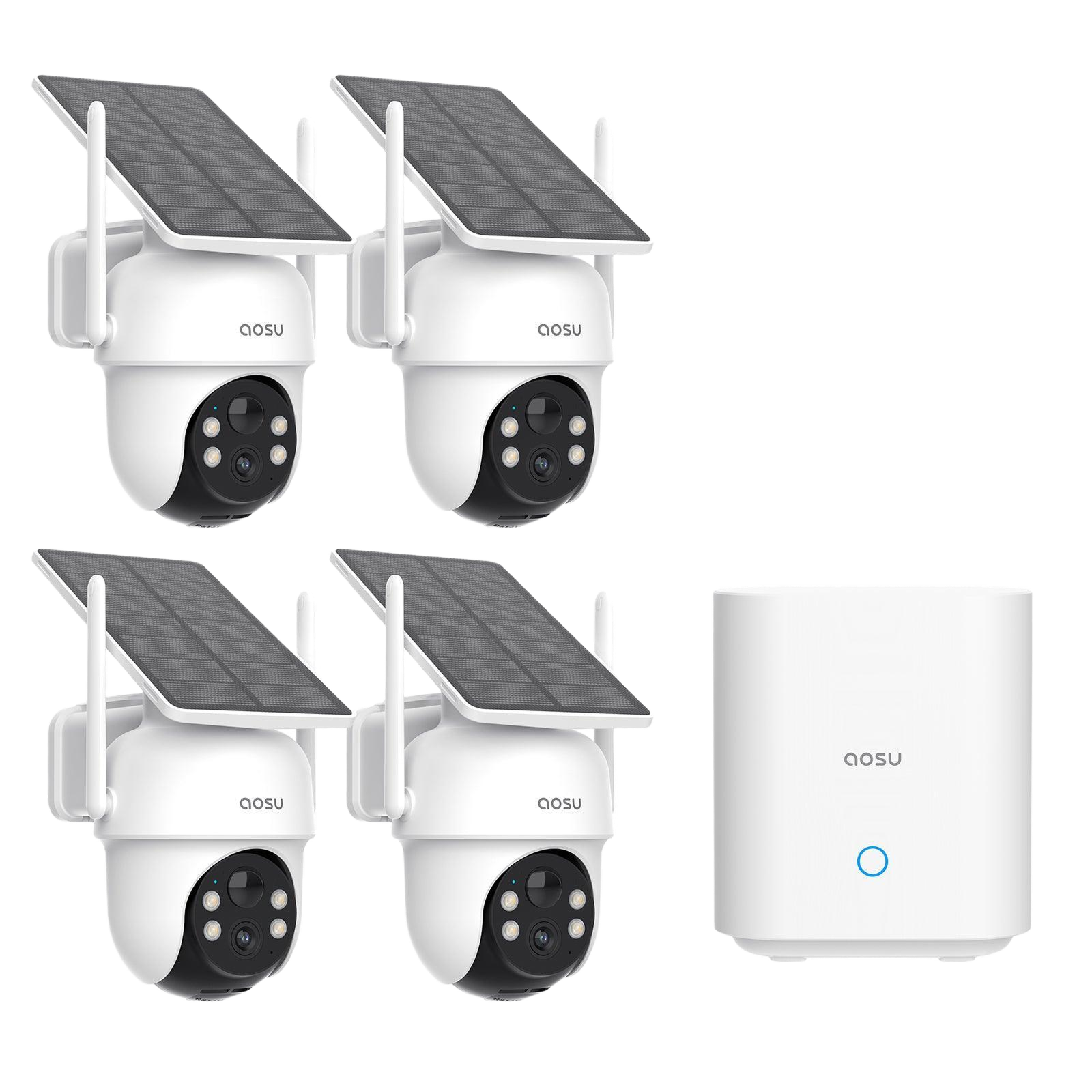
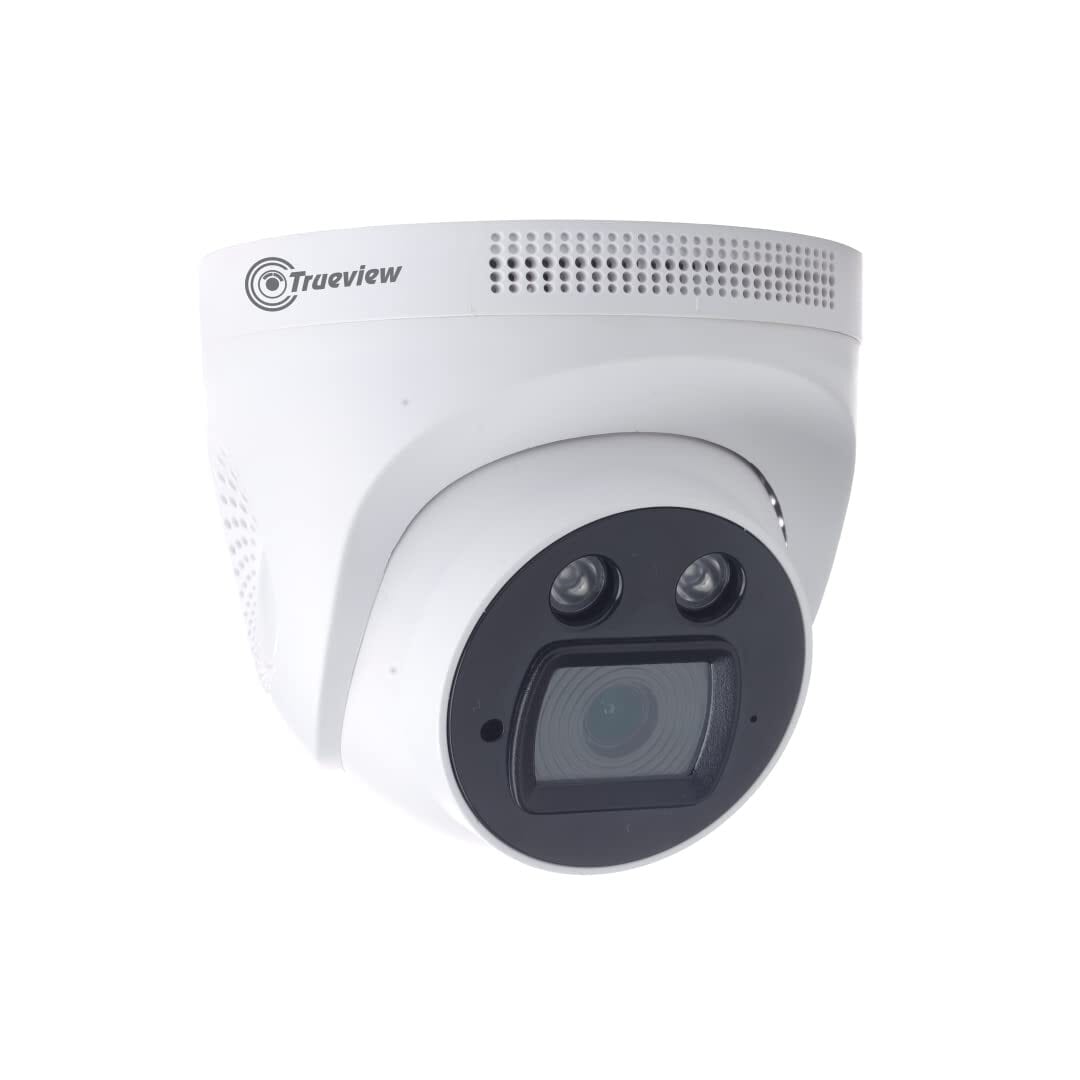
Smart CCTV is a video surveillance system that uses network-connected cameras and software to provide features beyond basic recording. Depending on the equipment and configuration, it may include features such as motion detection, person or vehicle detection, night vision, two-way audio and remote viewing through a mobile app or computer.
Some systems store footage on a local recorder, such as a network video recorder (NVR), while others use cloud storage. Many installations use a combination of cameras, recording equipment, network infrastructure and management software.
Key Features of Smart CCTV
- Remote viewing: View live or recorded footage from an authorised mobile device or computer, subject to internet access and system configuration.
- Motion-based alerts: Receive notifications when movement is detected in a selected area. More advanced systems may distinguish between people, vehicles and other movement.
- High-resolution video: Clearer footage can make it easier to identify details, though the result also depends on lighting, camera placement and recording settings.
- Night vision: Infrared or other low-light technologies can support monitoring in darker conditions.
- Two-way audio: Some cameras include a speaker and microphone, allowing users to communicate through the device.
- Flexible storage: Footage may be stored on a memory card, local recorder or cloud service, depending on the system.
- Integration: Compatible systems may work with access control, alarms or other building security equipment.
Benefits of Smart CCTV
Monitor premises remotely: Remote access can help owners and authorised staff check a site when they are away. This can be useful for homes, retail outlets, offices, warehouses and other locations.
Respond to events sooner: Alerts can draw attention to activity that may need review. Users should configure alert zones and sensitivity carefully to reduce unnecessary notifications.
Find footage more efficiently: Search tools and event-based recording can make it easier to locate relevant clips than reviewing long recordings manually.
Support day-to-day operations: In addition to security, CCTV footage may help authorised teams review operational incidents, manage access points or understand how a space is being used. Any such use should be transparent and consistent with applicable laws and workplace policies.
Where Can Smart CCTV Be Used?
Smart CCTV can be installed in a wide range of settings, including:
- Homes, apartment buildings and housing societies
- Shops, showrooms and shopping centres
- Offices and commercial buildings
- Factories, warehouses and industrial sites
- Schools, hospitals and other institutions
- Car parks, entrances and perimeter areas
The right camera type and system design will depend on the size of the site, the areas to be monitored, lighting conditions, network availability and the level of detail required.
How to Choose a Smart CCTV System
Before selecting a system, consider the following factors:
- Purpose and coverage: Identify the areas that need monitoring and whether cameras are required indoors, outdoors or both.
- Image quality: Choose a suitable resolution and lens for the distance and level of detail needed.
- Lighting conditions: Check whether cameras can handle low light, glare or changing outdoor conditions.
- Connectivity: Confirm that the site’s network can support the cameras. Wireless cameras still require reliable connectivity and power, unless designed to operate independently.
- Storage and retention: Decide where footage will be stored and how long it needs to be retained. Consider storage capacity, access permissions and ongoing costs.
- Cybersecurity: Use strong, unique passwords, update device software and restrict access to authorised users. Secure the network used by the CCTV equipment.
- Installation and support: Proper positioning, configuration and maintenance help a system perform reliably.
Privacy and Responsible Use
Smart CCTV should be used responsibly. Cameras should be positioned to monitor relevant areas while avoiding unnecessary recording of private spaces. Inform people where monitoring is in place where required, limit access to footage and retain recordings only for an appropriate period. Organisations should also review applicable privacy, data protection and workplace requirements before deploying a system.
Conclusion
Smart CCTV can make video surveillance more accessible, responsive and easier to manage. Features such as remote viewing, intelligent alerts and flexible storage can support security across homes and businesses. The best results come from selecting equipment that suits the site, installing it thoughtfully and protecting both the system and the footage it collects.
7 Benefits of Smart CCTV for Safer, Smarter Premises
- View live footage remotely.
- Receive motion alerts quickly.
- Monitor premises day and night.
- Find recorded events easily.
- Discourage theft and trespassing.
- Support safer site management.
- Scale coverage as needs grow.
Smart CCTV: High Costs, Internet Dependence and Privacy Risks
- Can be costly to install and maintain.
- Needs a reliable internet connection for remote access.
- May raise privacy and data security concerns.
View live footage remotely.
One of the key benefits of smart CCTV is the ability to view live footage remotely. Using an authorised mobile phone, tablet or computer, users can check their home or business from almost anywhere with an internet connection. This makes it easier to keep an eye on entrances, work areas or other important locations while away, and to respond promptly if something needs attention.
Receive motion alerts quickly.
Smart CCTV can send motion alerts to your phone or computer as soon as activity is detected, helping you check what is happening without waiting to review recorded footage. With carefully configured alert zones and sensitivity settings, you can focus on important areas and respond promptly to unusual activity at your home or business.
Monitor premises day and night.
Smart CCTV helps you monitor your premises day and night, whether you are on-site or away. With suitable cameras offering night vision and remote viewing, authorised users can check live footage and review recorded events in low-light conditions. This round-the-clock visibility can help you stay informed about activity at entrances, work areas and other important locations.
Find recorded events easily.
Smart CCTV makes it easier to find recorded events without having to review hours of footage manually. Features such as motion-based recording, event notifications and time-stamped video can help users locate relevant clips quickly. This saves time when checking a particular incident and makes reviewing footage more convenient for homes, offices and commercial premises.
Discourage theft and trespassing.
Smart CCTV can help discourage theft and trespassing by making it clear that an area is being monitored. Visible cameras may make potential intruders think twice, while motion alerts and remote viewing help authorised users stay aware of activity around the premises. When placed thoughtfully at entrances, boundaries and other vulnerable areas, smart cameras can support a stronger security setup.
Support safer site management.
Smart CCTV can support safer site management by helping authorised staff monitor entrances, work areas and shared spaces in real time. Alerts may draw attention to unusual activity or potential hazards, while recorded footage can help teams review incidents and improve safety procedures. When cameras are positioned thoughtfully and used in line with privacy requirements, they can contribute to a safer, better-managed environment.
Scale coverage as needs grow.
Smart CCTV systems can be expanded as your security needs grow. You can start with cameras covering essential areas and add more devices over time, such as when extending a premises, opening a new branch or monitoring additional entrances. A suitably planned system makes it easier to increase coverage while managing cameras and footage from a central platform.
Can be costly to install and maintain.
One drawback of smart CCTV is that it can be costly to install and maintain. The initial expense may include cameras, recording equipment, network upgrades, professional installation and software or cloud subscriptions. Ongoing costs can also arise from repairs, replacement parts, data storage and regular system updates. Planning the budget carefully and comparing the total long-term cost of different systems can help avoid unexpected expenses.
Needs a reliable internet connection for remote access.
One limitation of smart CCTV is that remote viewing and mobile alerts rely on a reliable internet connection. If the connection is slow or interrupted, users may experience delays, lose access to live footage or miss notifications. A stable network is therefore important, and it is worth checking whether the system can continue recording locally during an internet outage.
May raise privacy and data security concerns.
Smart CCTV can raise privacy and data security concerns because cameras may capture people, private spaces and sensitive activities. Footage stored online or accessed through connected devices could be exposed if accounts, networks or equipment are not properly secured. To reduce these risks, use strong passwords, restrict access to authorised users, keep devices updated, position cameras thoughtfully and store recordings only for as long as necessary.