Apollo Fire Alarm Panel: Features, Compatibility and Selection Guide
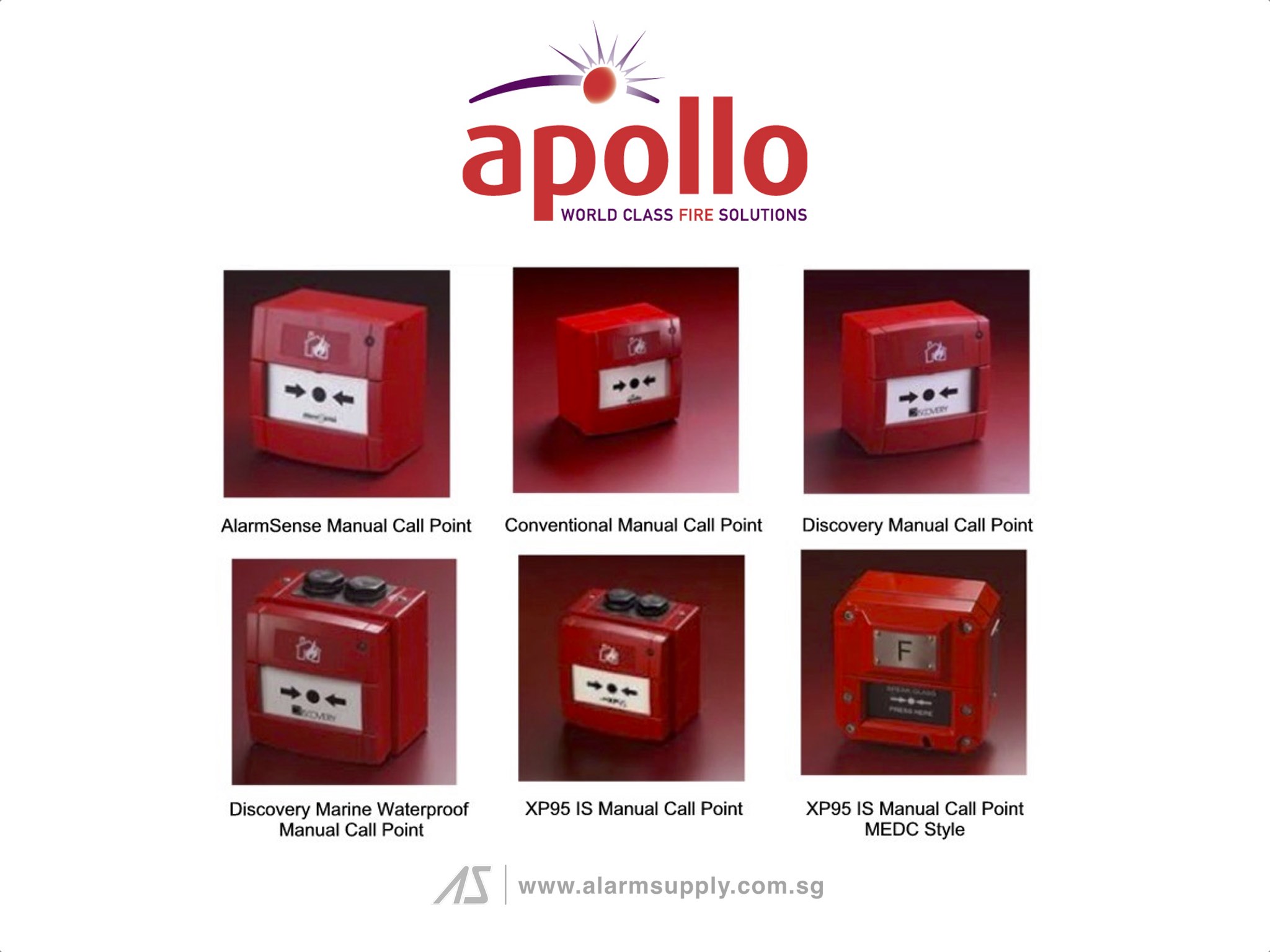
An Apollo fire alarm panel is commonly understood as a fire alarm control panel designed to operate with compatible Apollo fire detection devices. Apollo Fire Detectors is known for its range of detectors, manual call points and other fire detection products. The control panel itself may be made by a different manufacturer, so it is important to check the system’s compatibility before selecting equipment.
A fire alarm panel is the central unit of a fire detection system. It receives signals from connected devices, identifies alarms or faults and activates the appropriate notifications and outputs. Choosing a compatible system and having it professionally designed and installed are essential for dependable operation.
What does a fire alarm control panel do?
The control panel monitors devices such as smoke detectors, heat detectors and manual call points. When a device detects a possible fire or is operated manually, the panel processes the signal and may activate sounders, visual indicators, fire doors, lifts or other connected equipment, depending on the system design.
The panel also monitors the system for issues such as wiring faults, loss of mains power or a low battery. These conditions are generally shown as fault or trouble indications so that they can be investigated.
Conventional and addressable systems
Conventional fire alarm systems
In a conventional system, devices are grouped into zones. If an alarm occurs, the panel identifies the zone in which it was detected, rather than the exact device. These systems may suit smaller or simpler buildings, subject to the project’s requirements and applicable regulations.
Addressable fire alarm systems
An addressable system assigns an individual address to each compatible device. This allows the panel to identify the device reporting an alarm or fault, which can help responders locate the event more quickly. Addressable systems are often considered for larger or more complex buildings.
Apollo devices are used in different fire detection system configurations. Whether a particular Apollo detector or call point can be used with a panel depends on the panel’s supported protocol, device range, wiring design and manufacturer’s compatibility information.
Key features to consider
- Device compatibility: Confirm that the panel supports the specific Apollo devices and protocol required for the project.
- System type: Determine whether a conventional or addressable system is appropriate for the building.
- System capacity: Check the number of zones, loops and devices supported, including provision for future expansion.
- Alarm and fault indication: Review how the panel displays alarm locations, system faults and power conditions.
- Outputs and integration: Identify any required connections to sounders, notification devices, fire doors, lifts or building management systems.
- Power backup: Confirm the required standby battery capacity and mains supply arrangements.
- Service and support: Consider the availability of trained installers, replacement parts and ongoing maintenance.
How to choose a compatible panel
Before purchasing a panel, prepare a system design that accounts for the building’s layout, occupancy, fire risks and applicable approval requirements. Ask the system supplier or manufacturer to verify compatibility for the exact panel and Apollo device models being considered. Do not rely only on a general statement that a panel is “Apollo compatible”.
Also check whether the proposed equipment is suitable for the environment, such as areas with dust, humidity or temperature extremes. The panel and connected devices should be selected, installed and commissioned by qualified fire alarm professionals.
Installation, testing and maintenance
Correct installation is vital to the performance of a fire alarm system. Cable selection, device positioning, circuit design, labelling and programming should follow the approved design and the equipment manufacturers’ instructions. After installation, the system should be commissioned and tested to confirm that alarms, faults, sounders and any connected outputs operate as intended.
Regular inspection and maintenance help keep the system ready for use. Testing should be carried out by competent personnel and recorded in accordance with the system’s maintenance plan and applicable local requirements. Any alarm or fault indication should be investigated promptly.
Fire alarm systems in India
For projects in India, the system design and installation should take account of the National Building Code of India, relevant Indian Standards, local fire service requirements and any approvals applicable to the building. Requirements can vary by building type, location and occupancy. Consult the authority having jurisdiction and a qualified fire safety professional before finalising a system.
Frequently asked questions
Is Apollo the manufacturer of every Apollo-compatible fire alarm panel?
No. The term may refer to a control panel designed to work with Apollo detection devices. The panel may be manufactured by another company. Check the panel’s manufacturer and compatibility documentation.
Can Apollo detectors be connected to any fire alarm panel?
No. Compatibility depends on the panel, device model, system protocol and installation design. Confirm the combination with the panel manufacturer or an authorised supplier before installation.
Which is better: a conventional or an addressable panel?
Neither is automatically best for every project. The right choice depends on the building’s size, layout, fire strategy, required location detail, budget and applicable regulations.
Conclusion
An Apollo fire alarm panel setup can provide effective fire detection when the control panel, Apollo devices and system design are properly matched. Verify compatibility for every device, follow local requirements and use qualified professionals for design, installation, commissioning and maintenance.
Apollo Fire Alarm Panels: 9 Frequently Asked Questions on Compatibility, Selection, Maintenance and Indian Standards
- What is an Apollo fire alarm panel?
- Which Apollo detectors are compatible with an Apollo fire alarm panel?
- What is the difference between conventional and addressable Apollo fire alarm panels?
- How do I choose the right Apollo fire alarm panel for my building?
- Can Apollo fire alarm panels be integrated with other building safety systems?
- How many detectors can be connected to an Apollo fire alarm panel?
- What do the alarm, fault and power indicators on an Apollo fire alarm panel mean?
- How often should an Apollo fire alarm panel be tested and serviced?
- What standards and approvals should an Apollo fire alarm panel meet in India?
What is an Apollo fire alarm panel?
An Apollo fire alarm panel is the control unit at the centre of a fire detection system that uses compatible Apollo devices, such as smoke detectors, heat detectors and manual call points. It monitors these devices, indicates alarms and faults, and can activate connected sounders or other safety equipment. The panel may be made by Apollo or by another manufacturer, so check the manufacturer’s compatibility information to confirm that it works with the specific Apollo devices in your system.
Which Apollo detectors are compatible with an Apollo fire alarm panel?
Compatibility depends on the make and model of the fire alarm panel, as well as its supported wiring and communication protocol. Some addressable panels may support Apollo ranges such as XP95, Discovery or Soteria, while conventional panels require compatible conventional detectors. Always check the panel manufacturer’s compatibility list for the exact detector model and system configuration, or consult an authorised supplier before installation.
What is the difference between conventional and addressable Apollo fire alarm panels?
Conventional and addressable Apollo fire alarm systems differ mainly in how they identify the source of an alarm. A conventional panel groups detectors and manual call points into zones, so it indicates the zone where an alarm has occurred but not usually the specific device. An addressable panel assigns each compatible device a unique address, allowing it to show the precise detector or call point reporting an alarm or fault. Conventional systems may suit simpler layouts, while addressable systems can make it easier to locate events in larger or more complex buildings. The right option depends on the building’s requirements and the panel’s compatibility with the chosen Apollo devices.
How do I choose the right Apollo fire alarm panel for my building?
To choose the right Apollo fire alarm panel for your building, consider its size, layout, occupancy and fire safety requirements. A conventional panel may suit a smaller, simpler premises, while an addressable panel can identify the specific device reporting an alarm and may be more suitable for larger or more complex buildings. Check that the panel is compatible with the Apollo detectors and call points you plan to use, and confirm its capacity for zones, loops, devices and future expansion. Consult a qualified fire alarm professional to ensure the system meets applicable Indian standards, local fire authority requirements and the building’s approved fire safety design.
Can Apollo fire alarm panels be integrated with other building safety systems?
Yes, Apollo fire alarm systems can often be integrated with other building safety systems, such as smoke-control equipment, lifts, access-control systems, fire doors and building management systems. The available connections depend on the specific control panel, compatible interfaces and the project design. Integration should be planned and tested by qualified professionals to ensure that each system responds correctly and complies with applicable fire-safety requirements in India.
How many detectors can be connected to an Apollo fire alarm panel?
The number of detectors that can be connected to an Apollo fire alarm panel depends on the specific panel model, its loop or zone capacity, and the Apollo devices used. Addressable panels have a stated maximum number of devices per loop, while conventional panels support detectors according to the number of zones and circuit limits. Check the panel’s technical manual and compatibility documentation, and have a qualified fire alarm professional confirm the system design.
What do the alarm, fault and power indicators on an Apollo fire alarm panel mean?
The alarm indicator usually means that a detector or manual call point has reported a possible fire; check the panel display for the affected zone or device and follow the site’s emergency procedures. A fault indicator signals a problem—such as a wiring issue, device fault or battery problem—that needs investigation by a qualified technician. The power indicator shows the panel’s supply status: it is normally lit when mains power is available, while a change or warning may indicate a mains failure or backup-battery operation. Indicator colours and meanings can vary by panel model, so always refer to its manual and do not silence or reset the system until the cause has been checked.
How often should an Apollo fire alarm panel be tested and serviced?
An Apollo fire alarm panel should be inspected and maintained at intervals set by the applicable Indian regulations, the system manufacturer and the building’s fire safety plan. Routine user checks—such as confirming that the panel shows normal status and recording any faults—should be carried out regularly, while functional testing and servicing should be performed by a competent fire alarm professional. The frequency may vary depending on the building, system design and local fire authority requirements, so follow the panel manual and advice from your service provider, and investigate any alarm or fault indication promptly.
What standards and approvals should an Apollo fire alarm panel meet in India?
In India, an Apollo fire alarm panel should be selected and installed in line with the National Building Code of India, particularly the applicable fire and life-safety provisions, and relevant Indian Standards such as IS 2189 for fire alarm system selection, installation and maintenance. Check the project’s state and local fire-service requirements, building approvals and specifications, and verify whether BIS certification or other approvals apply to the particular equipment. Ask the supplier for current test certificates and documentation confirming compatibility between the panel and the Apollo devices used; device compatibility alone does not establish regulatory approval.