Battery-Powered CCTV Cameras: A Practical Guide
Battery-powered CCTV cameras offer a flexible way to monitor homes, offices, shops, construction sites and other locations where a wired power connection may be difficult to install. As these cameras run on rechargeable or replaceable batteries, they can be fitted in places that may not be convenient for conventional wired cameras.
Before choosing a battery-powered CCTV camera, it is important to understand how it works, what features to look for and what its limitations may be.
What Is a Battery-Powered CCTV Camera?
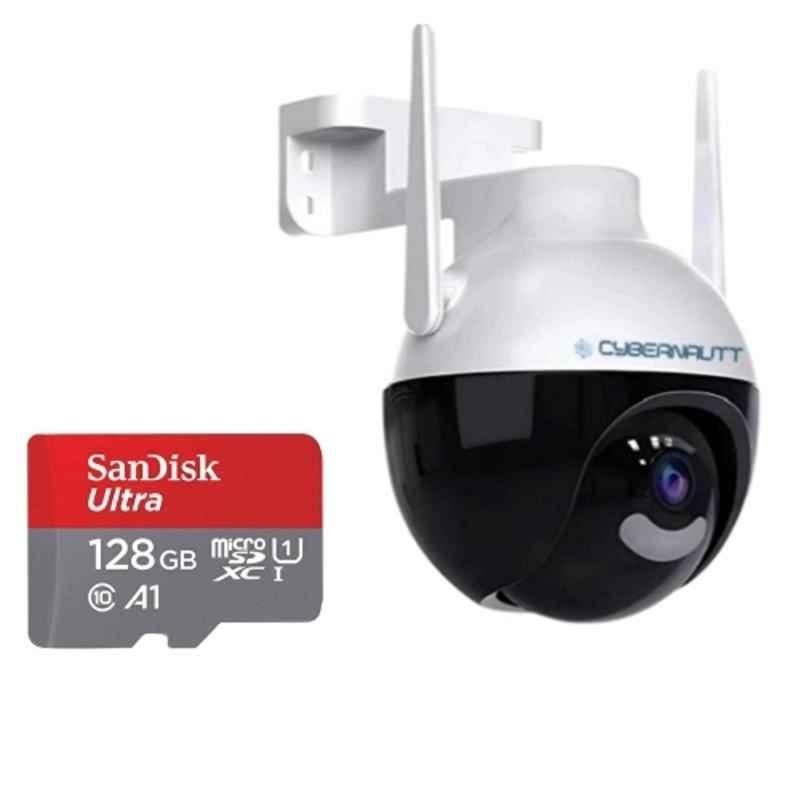
A battery-powered CCTV camera uses an internal or removable battery to operate. Many models connect to a Wi-Fi network, while some use a mobile network with a SIM card. Depending on the model, footage may be saved to a memory card, a recording hub or cloud storage.
Battery-powered does not always mean completely independent of other equipment. A Wi-Fi camera still needs a suitable Wi-Fi connection, and remote viewing generally requires internet access. Cellular models may need a compatible SIM card and data plan.
How Do Battery-Powered Cameras Save Power?
Many battery cameras are designed to conserve energy. Instead of recording continuously, they may stay in a low-power standby mode and begin recording when they detect movement. Some models use a passive infrared (PIR) sensor to identify movement from people or animals and send an alert to a connected mobile app.
Battery life varies widely. It can be affected by recording frequency, temperature, signal strength, video quality, the number of live views and how often the camera detects activity. Always check the manufacturer’s stated battery-life conditions and allow for more frequent charging in busy locations.
Benefits of Battery-Powered CCTV Cameras
- Flexible installation: These cameras can be installed in locations without a nearby power socket, subject to the camera’s connectivity requirements.
- Less cabling: With no power cable running to the camera, installation can be simpler and less disruptive.
- Useful for temporary monitoring: They can suit rental properties, events, temporary sites and areas undergoing renovation.
- Mobile alerts: Compatible cameras can notify users when motion is detected.
- Expandable coverage: Additional cameras may be added without routing power cables to every location.
Things to Consider Before Buying
Battery life and recharging
Consider how often the battery may need to be recharged and how easy it is to access the camera. A camera mounted high on an exterior wall may be inconvenient to remove regularly. Some models support spare batteries or optional solar panels, but compatibility should be confirmed before purchase.
Connectivity
Check the wireless range and the strength of the Wi-Fi signal at the intended installation point. A weak connection can affect live viewing, alerts and video uploads. For sites without reliable Wi-Fi, a cellular camera may be an option, but network coverage, SIM compatibility and data costs should be assessed.
Recording and storage
Find out whether the camera supports local storage, cloud storage or both. Check any storage limits, subscription charges and recording-retention options. Motion-triggered recording can help reduce storage use, although it may not capture activity that occurs outside the camera’s detection range.
Image quality and night vision
Choose a resolution suitable for the area being monitored. A wider field of view can cover more space, while a narrower view may provide more detail in a specific area. For outdoor use, also check night-vision performance, backlight handling and whether the camera can provide useful detail in low-light conditions.
Weather resistance and security
For outdoor installation, check the camera’s weather-resistance rating and its suitability for local conditions. Use strong account passwords, enable available security features and keep the camera’s software updated. Position the camera to monitor your property without unnecessarily recording neighbouring homes or public areas.
Battery-Powered, Wired or Solar-Assisted?
Battery-powered cameras are convenient where cabling is difficult, but they may require periodic charging and may not provide continuous recording. Wired cameras are often better suited to locations requiring uninterrupted recording, provided power and cabling can be installed. Solar-assisted models can reduce the need for manual charging, but their performance depends on sunlight, panel placement and the camera’s power consumption.
The right option depends on the location, expected recording needs, available connectivity and the level of maintenance that is practical.
Installation Tips
- Test the Wi-Fi or mobile signal at the proposed camera location before mounting it.
- Position the camera to cover entrances, driveways or other priority areas.
- Mount it securely and follow the manufacturer’s guidance for height and angle.
- Adjust motion-detection zones to reduce unnecessary alerts from roads, trees or other sources of movement.
- Test live viewing, notifications, night vision and recording after installation.
- Set a reminder to check the battery, storage and camera connection periodically.
Is a Battery-Powered CCTV Camera Right for You?
A battery-powered CCTV camera can be a practical choice when easy installation and flexible placement are priorities. It is particularly useful where running power cables is difficult. However, locations that need continuous recording, frequent activity monitoring or minimal maintenance may be better suited to a wired system or a carefully planned solar-assisted solution.
By comparing battery performance, connectivity, storage, image quality and weather protection, you can choose a camera system that meets your security requirements and suits the site where it will be installed.
Battery-Powered CCTV Cameras: 5 Frequently Asked Questions
- How long does the battery last in a battery-powered CCTV camera?
- Can a battery-powered CCTV camera record continuously?
- How do battery-powered CCTV cameras connect to the internet?
- Can I use a solar panel to charge a battery-powered CCTV camera?
- Are battery-powered CCTV cameras suitable for outdoor use?
How long does the battery last in a battery-powered CCTV camera?
The battery life of a battery-powered CCTV camera varies by model and usage. It may last from a few weeks to several months on a single charge, depending on factors such as how often motion is detected, recording settings, video quality, Wi-Fi signal strength and temperature. Cameras in busy areas or set to record frequently may need charging more often. Check the manufacturer’s estimates, and consider a compatible spare battery or solar panel if regular recharging would be inconvenient.
Can a battery-powered CCTV camera record continuously?
A battery-powered CCTV camera can record continuously only if the model specifically supports it, but continuous recording drains the battery much faster than motion-activated recording and may require frequent recharging or an optional solar panel. Many battery-powered cameras are designed to record when they detect movement to conserve power. Check the manufacturer’s specifications for continuous-recording support, battery performance and storage requirements before choosing a camera.
How do battery-powered CCTV cameras connect to the internet?
Battery-powered CCTV cameras usually connect to the internet through Wi-Fi, allowing users to view live footage and receive motion alerts on a mobile app. Some models use a SIM card and a 4G or other mobile network, making them suitable for locations without Wi-Fi, provided mobile coverage is available. The camera’s battery powers the device, while an internet connection is still needed for remote access and cloud features. Check the required network, signal strength and any data or subscription charges before installation.
Can I use a solar panel to charge a battery-powered CCTV camera?
Yes, many battery-powered CCTV cameras can be charged using a compatible solar panel, helping to reduce the need for manual recharging. Before buying one, check that the panel is approved for your camera model and that it can receive sufficient sunlight at the proposed location. Performance may vary with weather, shade and the camera’s power use, so the battery may still need occasional charging.
Are battery-powered CCTV cameras suitable for outdoor use?
Yes, battery-powered CCTV cameras can be suitable for outdoor use, provided the model is designed for external conditions. Check its weather-resistance rating and suitability for local temperatures, rain and dust before installation. Choose a secure position with a clear view of the area, reliable Wi-Fi or mobile-network coverage, and convenient access for battery recharging. For locations with frequent activity, remember that repeated motion alerts and recordings may reduce battery life.